
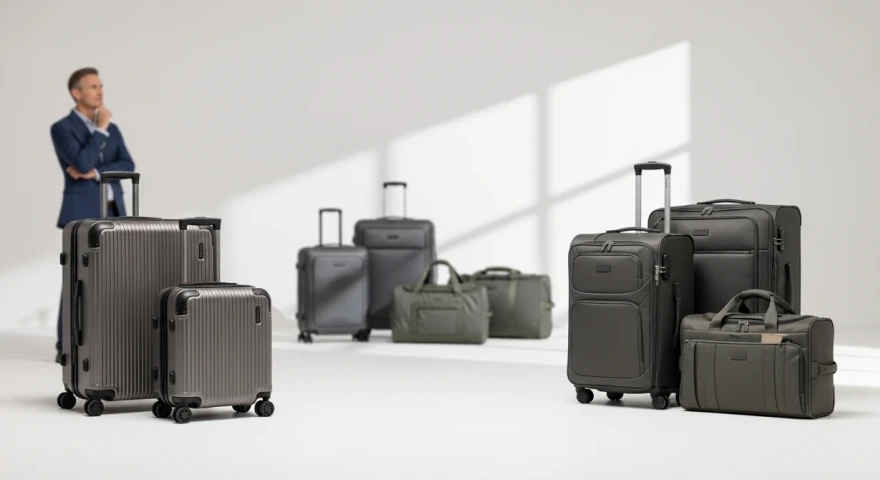
Hard Shell vs. Soft Shell Luggage and the Right Size for Every Trip
Choose hard shell for better protection and shape retention, and soft shell for flexibility and easier access. Then pick size by trip length, not by habit, to avoid overpacking.
People often pick a case by color first, then regret it at the airport when fragile items get crushed or an overstuffed bag will not fit where they need it to. That mistake matters more now because many travelers try to pack smarter with fewer pieces, which means the material and size do more work on every journey.
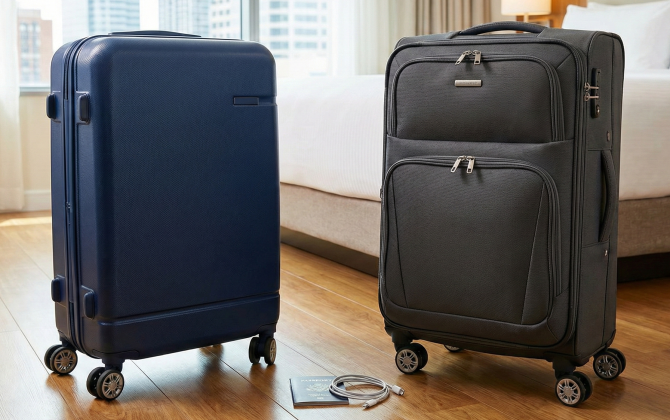
When you compare hard shell vs. soft shell luggage, the better choice is not about which type looks newer or feels more premium. It comes down to what you carry, how often you move between stops, and how much flexibility you need on the way out and on the way back.
🧳 Quick verdict: when each option wins
A hard case wins when protection is the main priority. If you carry shoes, toiletries, gifts, or anything breakable, a rigid exterior gives better structure and helps keep the shape intact under pressure.
A fabric case wins when you need some give. It is the better fit for road trips, train travel, or journeys where you may pack more on the return and want easier access to front sections during transit.
- Choose hard shell: for flights, fragile contents, wet conditions, and travelers who prefer a more structured pack.
- Choose soft shell: for flexible packing, easier squeezing into tight spaces, and trips where quick-access pockets matter.
- Choose cabin size: for short travel, lighter packing, and minimizing baggage handling.
- Choose medium or large: for longer stays, bulkier clothing, or shared packing.
Protection and packing flexibility usually pull in opposite directions. The right case is the one that matches the risk of your route and the way you actually pack.
Travel packing principle
📊 Comparison criteria that actually change the decision
The most useful comparison is not material alone. Think in terms of impact protection, expandability, weight feel, and whether the case shape stays efficient when full.
| Criteria | Hard shell suitcase | Soft shell suitcase |
|---|---|---|
| Primary material | Polycarbonate or ABS plastic | Durable flexible fabric |
| Best for | Protecting contents and resisting surface moisture | Flexible packing and easier access |
| Shape retention | Strong, keeps form when full | More forgiving, can adapt to packed contents |
| Exterior pockets | Usually limited | More practical for quick-reach items |
| Storage in tight car trunks or racks | Less forgiving | Usually easier to fit |
| Available example | Canary or Finch hard shell models | Eagle soft shell model |
| Listed starting price | £55 | £50 |
If your main concern is airport handling, the hard option usually gives more peace of mind. If your route involves several short stops, buses, train racks, or frequent unpacking, the soft option often feels easier to live with day to day.
On the suitcases collection, the available materials and formats already reflect this split. You can find rigid Canary and Finch models, plus the Eagle soft-shell option, along with cabin, small, medium, and large formats.
How size changes the result
Material choice can be correct and the bag can still be wrong if the volume does not match the journey. Oversized luggage creates dead space, encourages overpacking, and becomes harder to manage through stations, curbs, and hotel stairs.
| Trip type | Recommended size | Why it works | Better material fit |
|---|---|---|---|
| 1 to 3 days | Cabin or small | Keeps movement simple and avoids bulky packing | Either, based on contents |
| 4 to 7 days | Medium | Balances clothing volume with manageable handling | Soft for flexibility, hard for protection |
| 7 plus days | Large | Better for shoes, layers, and shared items | Hard if carrying delicate items |
| Business overnight | Cabin suitcase | Fast in and out, easy to pair with a laptop bag | Hard for structure, soft for quick access |
🎯 Scenario-based recommendations
The best answer changes once you picture the trip clearly. Here are the situations where one option has a measurable edge.
Short city break with one hotel
A cabin-size hard case works well if you want tidy packing and better protection for toiletries, shoes, and chargers. If you also carry a laptop or documents, pairing it with one of the travel-friendly options from the bags range makes movement easier because personal items stay separate from clothing.
Multi-stop rail or coach travel
Soft shell is often the better call here. It is easier to lift into racks, slide into tighter spaces, and live out of when you are opening the case frequently rather than fully unpacking each night.
Family vacation with shared items
A large hard case makes sense when you need structure for shoes, children’s extras, and mixed contents that shift around. If you prefer splitting loads across several sizes instead of relying on one oversized piece, a look at luggage sets can help you organize by traveler and by trip length.
Work trip with smart clothing
A medium or cabin case is usually enough unless you need multiple outfits and shoes. Soft shell can help if you want quicker access during transit, but a rigid case is often better when you want packed items to stay compressed and separated.
- Weekend trip: small or cabin size prevents unnecessary bulk.
- One-week trip: medium is the safest middle ground for most travelers.
- Long vacation: large works better when layers, gifts, or family items share one case.
- Frequent mover: soft shell reduces friction when storage space changes from one stop to the next.
⚠️ Hidden trade-offs and common mistakes
The downside of hard shell is that the same structure that protects your items also limits flexibility. If you buy too small, you cannot rely on the outer material to stretch around last-minute additions.
The downside of soft shell is that easy packing can tempt you to overfill. Once the fabric bulges, the case becomes less tidy to roll, harder to balance, and less efficient in overhead or trunk spaces.
- Buying large by default: people assume more room is safer, but bigger cases often produce heavier, less organized packing.
- Ignoring return-trip volume: a rigid compact case can feel perfect on departure and too tight after shopping or gifts.
- Choosing by look instead of route: airport-heavy travel and rail-heavy travel put different demands on your gear.
- Mixing quick-access items with main clothing: passports, chargers, and toiletries are easier to manage in a separate personal bag.
If you want to buy hard-shell suitcase options, check whether your trip really demands structure and content protection first. If your usual pattern is flexible packing and frequent opening, it may be smarter to buy soft suitcase designs instead of assuming rigid equals better.

✅ Practical recommendations before you choose
A good purchase starts with three checks: trip length, packing style, and transit type. Make the decision with those in front of you, not with a vague idea of future travel.
- Match the size to nights away: use cabin or small for short stays, medium for a standard week, and large only when the volume is justified.
- Test your packing habits: if you return with more than you left with, fabric may save frustration.
- Separate essentials: keep documents, tech, and toiletries in an accessory bag so the main case does not need to open constantly.
- Protect delicate items on flight-heavy routes: a rigid exterior is the safer bet for packed shoes, gifts, and structured contents.
- Think through storage: car trunks, train racks, and small hotel rooms favor compact dimensions over maximum capacity.
📝 Final decision checklist
Use this quick test before you commit to a suitcase for travel. If you answer yes more often in one column, that is usually your better match.
- Do you carry fragile or structured items? Lean hard shell.
- Do you need outside-access convenience? Lean soft shell.
- Is your route mainly airports and baggage handling? Hard shell gains value.
- Are you moving through trains, coaches, or several hotels? Soft shell often feels more practical.
- Can you manage with a smaller format? Start there before moving up to medium or large.
The best luggage choice is the one that fits your route, your packing habits, and the real volume of your trip. Hard shell is stronger on protection and shape, while soft shell is better for flexibility and fast access. Size matters just as much as material, because the right capacity keeps movement easier and packing more controlled. If you are comparing current options, threebirds has practical choices in both materials and several core sizes.
Is a hard shell better for flights?
Usually yes, especially when you pack items that can get crushed or shifted. The rigid body holds its shape better during baggage handling.
When does a soft shell make more sense?
It is a strong choice for rail, coach, and multi-stop travel where you need easier access and more flexibility in tight spaces.
What size should I choose for a 3-day trip?
A cabin or small case is normally enough. It keeps the load lighter and reduces the urge to overpack.
Is medium size the safest all-around option?
For many one-week trips, yes. It gives enough room for clothing and shoes without the bulk of a large case.
Do soft cases help if I bring home extra items?
They often do because the fabric construction is more forgiving. That extra flexibility can make the return leg easier.
Should I keep tech and documents in the main suitcase?
No, it is usually easier to carry them in a separate personal bag. That keeps essentials within reach without reopening your main case.
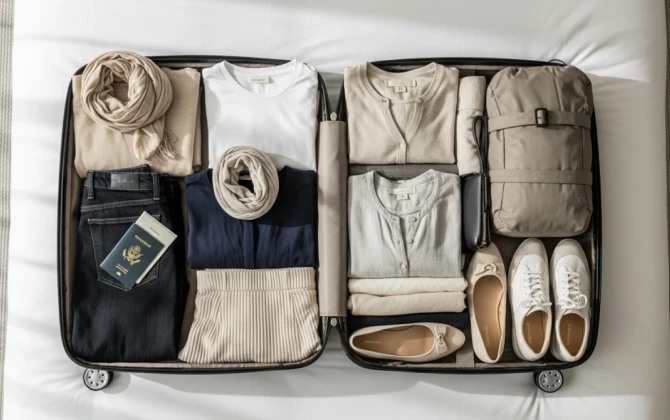 How to Build a Capsule Wardrobe for Travel That Works Anywhere in the World
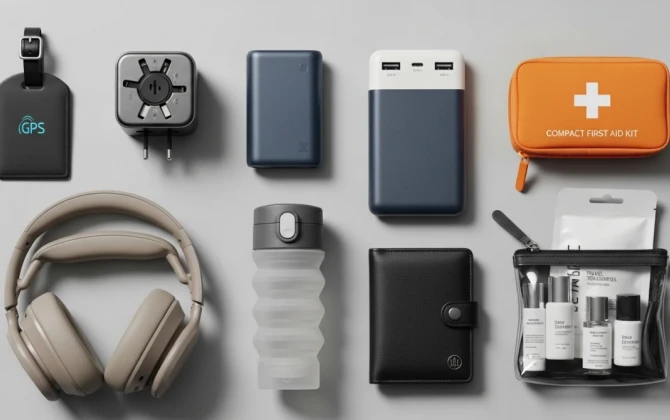 Travel Accessories Worth Packing in 2025: Essentials That Truly Upgrade Every Trip