
The Environmental Impact of Fast Fashion Luggage and How to Choose Better
Fast fashion luggage wears out quickly, driving repeated production, emissions, and waste. Choose durable, versatile bags, protect them with smart accessories, and maintain them so one piece replaces several disposable options.
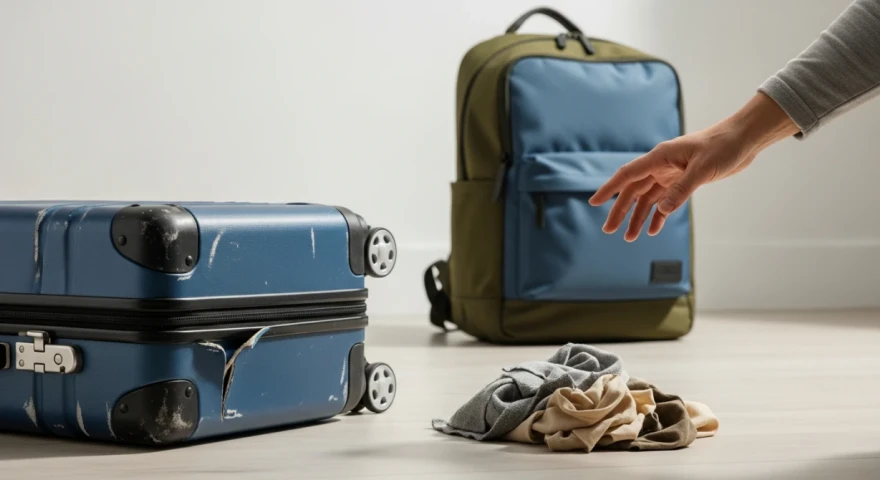
Most travelers now own more bags than they actually use, yet those cases and backpacks still split, crack, or lose a wheel after a few trips. That is not just annoying, it quietly feeds the waste problem created by fast fashion luggage. The fashion industry already contributes a large share of global emissions, and quick-turnover travel gear made from cheap textiles and plastics makes that footprint heavier with every discarded case. If you want luggage that looks good, works hard, and does less harm, you need to rethink what you buy long before you reach the check‑in desk.
The Environmental Impact of Fast Fashion Luggage - and What to Do Instead is not about shaming people who love travel. It is about understanding how bags are made, how long they last, and how the right choice can cut waste and save money at the same time.
🧳 Who fast fashion luggage really suits (and who should avoid it)
Fast fashion luggage tends to appeal to people chasing low prices and the latest look, or buying in a hurry before a trip. It feels like a bargain and can look stylish on the shelf, which makes it attractive for rare, single trips when durability seems less important.
If you travel once every few years and carry very light loads, a low-cost case may survive long enough that you do not notice its impact. The problem appears when trips become more frequent or when your bag takes even normal airport abuse.
Anyone who travels several times a year, commutes with a laptop, or depends on their bag to protect electronics should avoid disposable travel gear. You fall into this group if you:
- Fly or take trains regularly: Airports, overhead bins, and luggage carousels expose weak shells, cheap wheels, and fragile zippers very quickly.
- Carry work devices: A cracked shell or torn compartment can mean damaged laptops and tablets, which multiplies both cost and environmental impact.
- Pack heavy or dense items: Budget frames and seams are not designed for weight, so failures send yet another case to landfill.
If you care about waste, value for money, or simply cannot afford bag failures mid‑trip, you are better served by sturdier backpacks and cases designed to last, even if they cost more upfront.
🌍 How fast fashion luggage harms the environment
The environmental problem does not start at the airport. It starts when materials for cheap bags are produced in huge volumes and turned into short‑life products.
The fashion industry is responsible for roughly a tenth of global greenhouse gas emissions, and textile production and dyeing alone consume significant water and energy.
Fast fashion luggage usually leans on the same model: high volume, low durability, constant trend turnover. That has several effects.
Short lifespans mean more waste
Low‑cost cases and backpacks often fail at predictable weak points. Wheels crack, telescopic handles jam, or seams rip around stress zones. When repair is difficult or uneconomical, most people simply replace the whole bag.
Each replacement means more plastic, metal, fabric, and packaging used, shipped, and eventually thrown away. Over ten years a frequent traveler might cycle through several flimsy cases instead of one or two reliable ones.
Cheap materials drive higher footprints per trip
Fast fashion designs often rely on low-grade plastics and synthetic textiles with thin coatings and basic hardware. Producing those materials at scale contributes to the industry’s emissions and water use.
When a bag only lasts a few journeys, the environmental cost of making it gets spread over very few uses. In contrast, a durable backpack that survives hundreds of trips spreads that impact far more thinly.
Design that ignores repair and modularity
Many bargain suitcases are glued rather than screwed, use obscure wheels, or have zippers that cannot be replaced without specialized tools. This makes repairs less likely, even when the damage is minor.
By contrast, sturdier travel bags and backpacks with accessible zippers, strong stitching, and common components are easier to patch, clean, and keep in service, which delays replacement and reduces waste.
🧑💼 Who should choose durable, repairable luggage instead
The people who benefit most from solid, long‑lasting travel gear are not just frequent fliers. They include:
- Business travelers: Reliable laptop compartments, smart organization, and professional styling matter more than seasonal patterns.
- Students and commuters: Daily wear on zippers, straps, and internal dividers is intense, so cheap backpacks rarely last a full schedule.
- Families: Passing a sturdy backpack or travel bag from one family member to another is far easier than buying new every year.
- Minimalist or conscious travelers: People who prefer to own fewer, better items and who want their bags to work across city, work, and holiday use.
Backpacks such as the Bange 6801 series or models like the Bange 3065 and BG6800 demonstrate what this category looks like in practice. They focus on durability, laptop protection, and practical design instead of disposable trends.
🔎 Core selection criteria for lower‑impact luggage
If you want to reduce the footprint of your travel gear, you need a clear checklist before you buy. The focus shifts from short‑term style to lifespan, repairability, and versatility.
1. Durability you can actually inspect
Look for meaningful signals of strength instead of marketing slogans. Some practical checks include:
- Fabric and shell feel: The material should feel dense, not flimsy, with no visible stretching when pulled at seams.
- Stitching quality: Straight, tight stitches with reinforcement at stress points, particularly on backpack straps and handle bases.
- Hardware robustness: Zippers that move smoothly without catching, sturdy pulls, and handles that do not wobble when extended.
Models such as the Arctic Hunter B0388 or B00690, and the Bange BG6625, are designed with durability and daily use in mind rather than single‑trip survival.
2. Functionality over trends
A low‑impact travel bag earns its place by replacing several short‑life items. You should prioritize functionality that supports many types of trips.
- Laptop and gadget protection: Padded sleeves sized for 14‑inch or 15.6‑inch devices, like the Bange 6801 variants, reduce the risk of damage and the need for additional sleeves.
- Organization that prevents overpacking: Internal dividers, clothes organizers, and front pockets for documents help you pack smarter and carry less.
- Comfort for longer wear: Shaped shoulder straps and back padding make it realistic to choose a backpack instead of a heavier hard case.
3. Versatility and reusability
A bag that can move from office to airport to weekend trip cuts purchases dramatically. Versatile designs have neutral colors, clean lines, and enough capacity for both daily carry and short journeys.
Options like the Bange BG6800 or BG7529 backpacks, and city‑friendly models such as the Bange 3065, are practical examples of this approach. They work for commuting, business, and travel with one item.
4. Support and warranty
Longer warranties encourage both the buyer and seller to think about lifespan. A five‑year warranty on travel bags signals that the manufacturer expects the product to last.
That kind of backing makes it easier to choose a single bag rather than cycling through multiple cheap ones in the same period.
🧭 Mapping real use‑cases to smarter luggage choices
Different travelers have different needs. The key is to match a durable option to the way you actually move, not to a generic idea of travel.
Use‑case 1: The laptop‑first business traveler
Profile: You fly or take trains with your laptop most weeks. You need quick access for security checks and reliable protection in overhead lockers and under seats.
Better choice: A structured laptop backpack in the 14‑ to 15.6‑inch range, such as the Bange 6801 series or an Arctic Hunter business model like the B00111C. These bags combine padded laptop space, organized pockets, and a professional appearance.
Why it beats fast fashion luggage: Instead of a cheap cabin case with a loose laptop sleeve, a robust backpack keeps tech close to your body, reduces impact during handling, and replaces both a briefcase and a separate travel bag.
Use‑case 2: The multi‑purpose city and travel user
Profile: You commute daily, then take weekend trips and occasional flights. You prefer one main bag rather than separate work and holiday gear.
Better choice: A mid‑capacity backpack with practical compartments, such as the Bange BG6800 or BG7529, or city‑ready designs like the Bange 3065. These models balance everyday comfort with enough volume for a short trip.
Why it beats fast fashion luggage: A single, tough backpack replaces low‑grade daypacks and small wheeled cases, so you avoid repeated low‑cost purchases that wear out quickly.
Use‑case 3: The organized family or light packer
Profile: You share luggage, pack for kids, or aim to travel light but tidy. You care about keeping clothes neat and knowing where everything is.
Better choice: Solid suitcases paired with smart internal organization such as clothes organizers, toiletry cases, and small hand‑luggage pouches for documents and gadgets.
Why it beats fast fashion luggage: Instead of overbuying cheap bags for every family member, you maximize a smaller set of sturdy cases with modular internal organizers, which can be reused across trips and owners.
⚠️ Common buying mistakes that increase environmental impact
Many travelers have good intentions but still end up with gear that fails too soon. Knowing the most frequent mistakes helps you avoid them.
- Chasing the lowest price only: A case that costs less but lasts a few trips is more expensive over time and creates extra waste compared with a dependable bag used for years.
- Buying for a single unusual trip: People often buy huge cases for one long holiday, then never use them again. Renting or borrowing for rare scenarios can be greener than owning a bulky, seldom‑used item.
- Ignoring comfort and fit: A backpack that hurts your shoulders or back will be abandoned quickly, even if the materials are solid.
- Overvaluing trendy details: Loud prints, novelty shapes, and seasonal colors date fast, so you are more likely to replace the bag for style reasons long before it wears out.
- Skipping basic care: Many bags are discarded because they look worn or dirty rather than broken. Cleaning and simple touch‑ups can extend useful life significantly.
📋 Pre‑purchase checklist for lower‑impact luggage
Before you commit to a new backpack or case, run through this quick checklist. It helps you stay focused on function, lifespan, and environmental impact.
- Frequency of use: Estimate how many trips or commutes you expect each year. If it is more than a few, prioritize durability and warranty over trends.
- Core device size: Measure your main laptop or tablet. Choose bags like the 14‑inch and 15.6‑inch Bange 6801 backpacks that are specifically sized for your device.
- Trip length and packing style: If most trips are short, a well‑organized backpack plus internal organizers can replace multiple small cases.
- Repair potential: Check whether zippers, straps, and wheels (if present) can realistically be fixed. Visible screws and robust stitching are good signs.
- Warranty and service: Favor brands that provide multi‑year warranties and clear return conditions, which show confidence in longevity.
- Compatibility with organizers and accessories: Make sure your choice works with packing cubes, toiletry cases, and protective covers so you can extend its life and flexibility.

🧰 Smart use of travel accessories to extend bag lifespan
Choosing better luggage is only half of the equation. Thoughtful use of supporting items can protect your bag and reduce how often you need replacements.
Protect and organize the inside
Internal organizers for clothes keep garments grouped by type and reduce friction inside the case. That prevents stretching and tearing of the lining and zippers.
Multiple‑compartment organizers also help you pack methodically, which reduces overstuffing and the strain it puts on seams and zippers. Toiletry cases and travel bottles let you control liquids, reducing the risk of spills that damage fabrics.
Shield the outside from damage
Covers that fit over your suitcase or backpack protect material from scratches, scuffs, and dirt. This keeps bags looking newer for longer and delays “replacement for appearance” waste.
Luggage straps add extra security if a zipper or seam is under load, and bright tags help ensure your bag comes back to you, avoiding premature replacement due to loss.
Comfort and safety for repeated use
Items like travel pillows, masks, and earplugs do not just improve rest. They also reduce the temptation to carry extra bulky comfort items, which can increase strain on your main bag.
Scales, travel adapters, and small locks help you avoid overweight surprises and rough handling, which further reduces stress on your gear.
📊 Example: comparing fast fashion luggage vs durable backpacks
The table below illustrates how a typical low‑cost, trend‑driven case compares with more durable backpack options available to threebirds customers.
| Aspect | Fast fashion suitcase | Bange / Arctic Hunter style backpack |
|---|---|---|
| Expected lifespan with regular use | Few trips to a couple of years | Several years of frequent commuting and travel |
| Main material quality | Thin shell or fabric, basic hardware | Dense fabrics, reinforced stitching, sturdy zippers |
| Versatility | Mostly holiday use | Daily work, city use, and travel |
| Laptop protection | Often minimal or none | Dedicated padded sleeves (14–15.6 inch options) |
| Repair likelihood | Low, parts often non‑serviceable | Higher, with accessible seams and hardware |
| Long‑term environmental impact | Higher due to frequent replacement | Lower when used across many trips and years |
🎒 Comparing selected durable backpack options
Different robust backpacks offer different strengths. The next table summarizes how a few examples line up for sustainability‑minded travelers.
| Model | Intended device size | Use profile | Key sustainability benefit |
|---|---|---|---|
| Bange 6801 14‑inch | 14‑inch laptops | Compact business and city travel | Replaces both briefcase and small travel bag |
| Bange 6801 15.6‑inch | 15.6‑inch laptops | Frequent work trips with larger devices | Protects bigger tech, reducing risk of damage and waste |
| Bange BG6800 | Laptop plus clothes | Weekend and mixed business trips | High versatility across work and leisure |
| Bange BG7529 | General use | Daily commuting and occasional travel | Durable design suitable for long‑term everyday use |
| Bange BG6625 | Laptop focused | Professional users needing robust gear | Premium construction extends replacement cycle |
| Arctic Hunter B0388 | Laptop and documents | Business and study | Solid structure reduces need for multiple bags |
🧠 Practical tips to reduce your luggage footprint
Reducing environmental impact does not require perfection. Small, deliberate choices add up over many journeys.
- Delay replacement when safe: Clean and repair your current bag if the structure is sound, and only upgrade when it cannot perform its job.
- Choose one main workhorse bag: Invest in a single, high‑quality backpack or case that handles most of your trips instead of owning multiple specialized but fragile options.
- Use organizers to avoid oversizing: Packing cubes and internal pouches can make a mid‑sized bag feel much larger, so you do not need extra large Suitcases.
- Care for your gear after each trip: Wipe down shells or fabrics, empty pockets, and store in a dry place so materials and zippers stay in good condition.
- Plan purchases ahead of trips: Avoid last‑minute panic buys at the airport, which are more likely to be low‑durability and trend focused.
🏁 Conclusion: choosing luggage that lasts, for you and the planet
Fast fashion luggage looks cheap at the checkout but becomes costly for both your budget and the environment once you count replacements. Focusing on durability, repairability, and versatility turns each bag into a long‑term tool rather than a short‑term accessory. Backpacks and travel bags built for regular use, supported by solid warranties, can replace several flimsy items across years of commuting and travel.
Smart use of organizers, covers, and other luggage accessories stretches the life of every piece you own and reduces the need for new purchases. When you are ready to upgrade, choosing well‑designed, long‑lasting travel accessories from a brand like threebirds is a practical way to align your travel habits with your values.
How does fast fashion luggage increase my environmental impact?
Short‑life bags rely on resource‑intensive textile production and usually fail after few trips, so you buy and discard more often. That repeated cycle multiplies emissions and waste over time.
What is the simplest way to start buying lower‑impact luggage?
Start by choosing one durable, versatile backpack or case that works for both daily use and travel. Make sure it has strong materials, good stitching, and a multi‑year warranty.
Why are laptop backpacks recommended over cheap cabin cases?
Quality laptop backpacks protect electronics better, handle daily wear, and often replace several separate bags. That reduces both purchases and the environmental cost of production.
How do luggage organizers help the environment?
Organizers let you pack more efficiently and avoid oversizing your bag, which means you can rely on one main piece of luggage instead of buying extra or larger cases.
What should I check on a bag to know if it will last?
Inspect fabric density, stitching at stress points, and the smoothness of zippers and handles. Look for reinforced seams and hardware that feels solid rather than loose or flimsy.
Are trend‑driven designs always a bad choice?
They often date quickly, which tempts you to replace them even when they still function. Neutral, timeless designs encourage you to keep using the same bag for many years.
How often should I replace my luggage if I travel regularly?
With a robust backpack or case and basic care after each trip, many regular travelers can use the same primary bag for several years before replacement becomes necessary.
Does using covers and straps really extend luggage life?
Yes, covers reduce scuffs and dirt while straps relieve stress on zippers and seams. Together they keep your bag functional and presentable for much longer.
 How to Build a Capsule Wardrobe for Travel That Works Anywhere in the World
 Travel Accessories Worth Packing in 2025: Essentials That Truly Upgrade Every Trip