
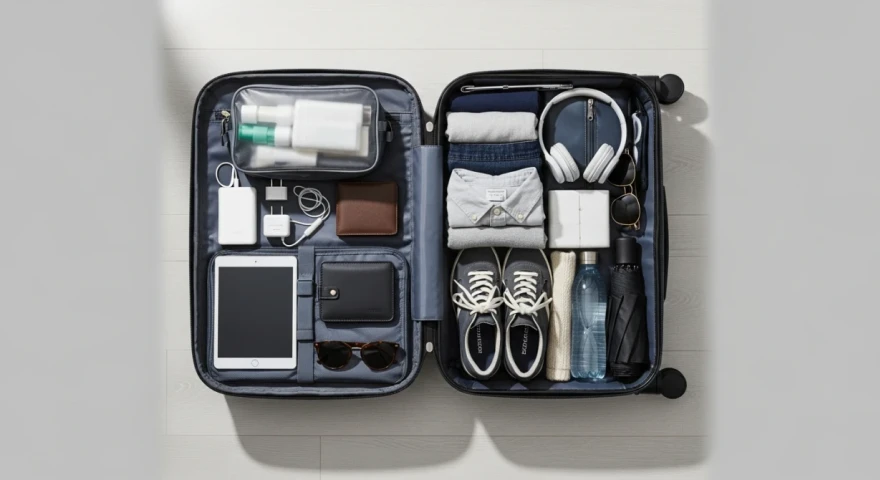
The Ultimate Carry-On Packing List for a 7-Day Trip
Pack for 7 days with one cabin suitcase and one personal item by using a capsule wardrobe, the 5-4-3-2-1 clothing rule, compact toiletries, and organized tech. Choose a carry-on that stays within common airline cabin limits.
Packing for seven days in cabin baggage usually goes wrong in one of two ways. People either overpack “just in case” and end up fighting the zipper, or they underpack randomly and forget something critical like chargers, documents, or a weather layer.
A 7 day carry-on system is a practical travel checklist for fitting one week’s essentials into one cabin suitcase plus one under-seat bag. It helps travelers who want to stay within airline limits, move through airports faster, and avoid the stress of gate-checking a bag that was never meant to be carry-on in the first place.
The key is not squeezing more into a random case. It is choosing the right bag setup, following a compact clothing formula, and using small carry-on accessories that keep liquids, electronics, and documents easy to reach when you need them.
Can you really pack for 7 days in just a carry-on?
Yes, a 7 day trip fits in one cabin suitcase and one personal item if you pack for outfit combinations rather than one outfit per day. The go signal is simple: your clothing works as a capsule, your liquids are compliant, and your tech and documents are accessible without unpacking the whole bag.
The most reliable readiness test is not how much space you have left. It is whether your list covers one week of basics, one weather change, one smarter outfit option, and one laundry cycle if needed. That is what makes seven days realistic instead of cramped.
- Must-do: Use a cabin-size suitcase, choose a personal item that fits under the seat, and pack versatile clothes in repeatable colors.
- Should-do: Choose quick-dry fabrics, use packing cubes, and decant liquids into travel sizes or switch some items to solid formats.
- Nice-to-do: Add a foldable tote, a light scarf, or one compact extra for comfort if you still have room and remain within your airline’s weight and size rules.
If you need one rule to prevent overpacking, this is it: do not pack for seven separate days. Pack for three bottoms, four tops, repeatable layers, and a small rotation of essentials that can be reworn or washed.
What carry-on size should you choose for a 7 day trip?
For most travelers, the safest target is a cabin suitcase that stays within IATA’s commonly cited maximum guidance of 56 × 45 × 25 cm, including wheels and handles. That size matters because each airline can set its own rules, so staying at or under that benchmark gives you the best chance of boarding without trouble.
UK travelers often move between airlines with slightly different cabin rules. That is why a dedicated carry-on case is more useful than a generic duffel or oversized fashion bag that only looks small until it reaches the airport sizer.
The International Air Transport Association recommends maximum carry-on baggage dimensions of 56 × 45 × 25 cm, including wheels and handles.
IATA Passenger Baggage Rules
Use this as a decision check before you pack:
| Decision point | Go | No-go |
|---|---|---|
| Bag dimensions | Within or under 56 × 45 × 25 cm guidance | Bulges past common cabin limits or relies on “soft” overstuffing |
| Mobility | Easy to wheel or carry fully packed | Awkward when full, hard to lift into overhead storage |
| Organization | Separate zones for clothes, liquids, and electronics | One open cavity with loose items shifting around |
| Airline compliance | You have checked your airline’s latest cabin baggage rules | You are assuming all airlines accept the same size |
If you are selecting a case now, start with the threebirds suitcases range and filter for cabin-friendly options. A properly sized suitcase solves the first packing problem before the first item goes inside.
What type of carry-on luggage works best for a week away?
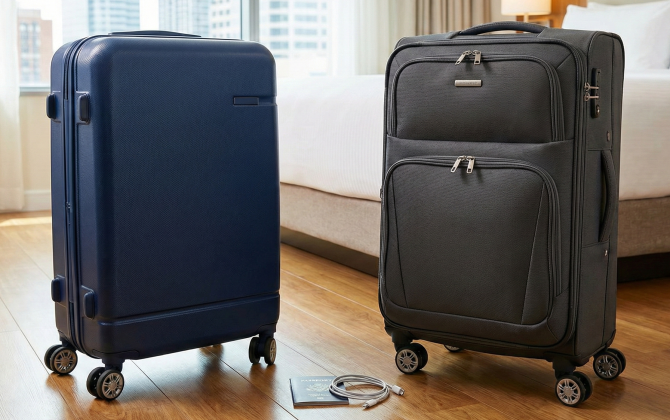
The best carry-on for seven days is a lightweight cabin suitcase with dependable wheels, a secure closure, and enough structure to keep clothes and electronics organized. Hard shell is usually better for shape retention and wet conditions, while soft shell can be more forgiving when you need flexible external storage.
If you want a cleaner, more protective shape, hard shell cases made from polycarbonate or ABS help stop your packed clothing from collapsing into the corners. They also suit trips where your bag may face rain, busy public transport, or frequent lifting in and out of overhead bins.
If you prefer flexibility, a soft shell case can make sense for travelers who like exterior pockets and a slightly more adaptable packing style. The tradeoff is that soft bags can encourage overstuffing, which is exactly what gets a “cabin bag” flagged at the gate.
- Choose hard shell if: you want a more structured interior, a neater silhouette, and better resistance to bumps and light wet weather.
- Choose soft shell if: you value flexible fabric construction and easier-access outer sections.
- Look for: lightweight construction, wheels that roll smoothly, a telescopic handle, and a lockable design.
- Avoid: oversized cases sold as “small” without checking actual cabin suitability first.
When you are relying on one case for the full week, build quality matters more than it does on a checked-bag trip. Better materials, smoother handling, and a more useful interior make a one-bag plan much easier to live with.
What should you use as your personal item?
Your personal item should add smart capacity, not clutter. The best choice is an under-seat bag that holds documents, valuables, tech, and the items you need mid-flight without forcing you to open the overhead suitcase.
This is where many people waste space. They carry a stylish but impractical bag, then end up stuffing passports, chargers, snacks, and liquids wherever they fit. A well-chosen personal item turns your setup into a two-zone system: overhead for bulk, under-seat for access.
The threebirds bags range is useful here because it covers travel-friendly formats rather than one rigid style. Crossbody bags work well for documents and valuables, shoulder bags and tote bags can carry work or day-trip items, and travel bags give more under-seat capacity for longer travel days.
- Crossbody bag: best for passport, phone, wallet, and hands-free movement through the airport.
- Tote bag: useful if you need a bag that can also serve as a work or casual day bag during the trip.
- Shoulder bag: a good middle ground for daily use, especially if you want one bag to transition from transit to city use.
- Travel bag: best when you need extra room for a laptop, headphones, charging kit, and a light layer.
For a seven day trip, your personal item passes the test if it fits under the seat, carries your valuables and flight essentials, and still works as a practical day bag when you arrive.

What exactly should you pack for a 7 day carry-on trip?
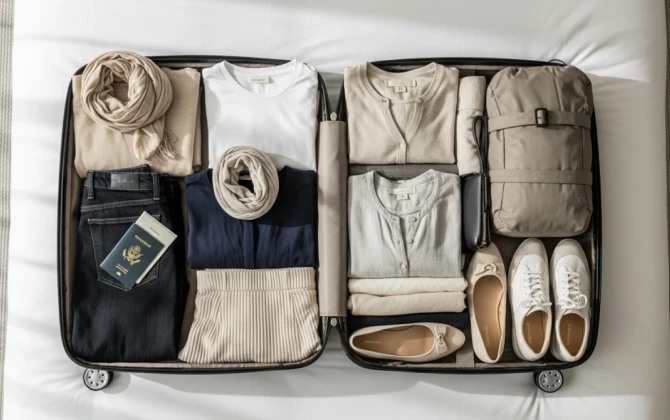
A complete one-week packing list fits when you prioritize essentials, cap your clothing, and separate must-pack items from nice extras. The most reliable system is a capsule wardrobe built around the 5-4-3-2-1 method, with quick-dry fabrics making light sink laundry realistic.
A capsule wardrobe means fewer pieces that all work together. Neutral bottoms, tops that layer, and one smarter item give you casual, travel, and evening combinations without carrying seven complete outfits.
The 5-4-3-2-1 method is a strong packing baseline for a week: 5 sets of underwear and socks, 4 tops, 3 bottoms, 2 pairs of shoes, and 1 hat. For many trips, that is enough before you add sleepwear, a jacket, and weather-specific layers.
Must-pack checklist
- Clothing: 5 underwear, 5 pairs of socks, 4 tops, 3 bottoms, 1 sleep set, 1 light sweater or hoodie, 1 weatherproof outer layer, 1 smarter outfit piece if needed.
- Shoes: 1 pair worn in transit, 1 packed pair that serves a different purpose such as smarter wear or exercise.
- Toiletries and liquids: toothbrush, toothpaste, deodorant, skincare basics, any prescription medication, small toiletry pouch, and liquids in containers of 100 ml or less within the applicable airport liquid rules.
- Tech: phone, laptop or tablet if needed, chargers, cable, plug adapter if relevant, earbuds or headphones, and power bank.
- Documents and essentials: passport or ID, boarding details, payment cards, cash if needed, travel insurance details, house keys, and any booking confirmations.
- In-flight comfort: refillable bottle to fill after security, tissues, snacks, lip balm, and one compact layer for temperature changes.
Should-pack checklist
- Clothing support: laundry soap sheet or a small amount of detergent for one quick wash, sunglasses, swimwear if relevant, and a compact belt if your outfits need one.
- Toiletries: solid soap, solid shampoo, or other solid alternatives to reduce liquid volume and leak risk.
- Organization: packing cubes or suitcase organizers so tops, bottoms, underwear, and dirty laundry stay separated.
- Tech organization: a small pouch for charging gear so cables do not spread through the bag.
Nice-to-pack extras
- Style changes: one scarf, simple jewelry, or one compact accessory to vary repeated outfits.
- Comfort: eye mask, travel pillow if you will truly use it, or compression socks for long flights.
- Backup utility: foldable tote or light reusable bag for groceries, laundry, or day use.
Quick-dry fabrics matter because they let you wash one or two items and wear them again the next day. That single habit often saves more space than any rolling technique.
To keep this list controlled, lay out every clothing item on the bed and count against the formula before it goes into the case. If a piece only works with one outfit or one unlikely scenario, it usually does not deserve space.
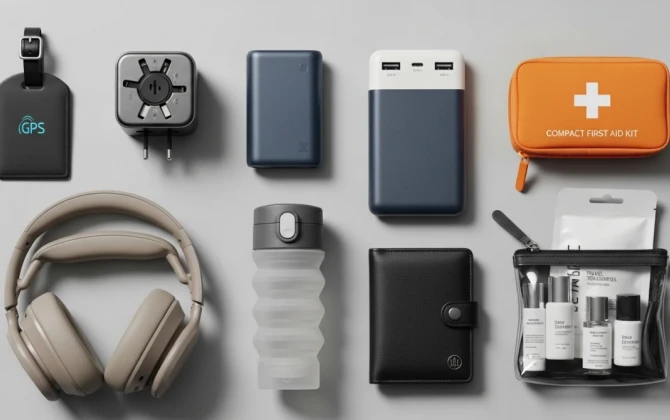
For clothing organizers and other travel accessories that make this system easier to maintain, the threebirds travel accessories collection is the logical add-on. Organizers for clothes and hand luggage help divide items by category, reduce creasing, and keep gadgets and toiletries from getting buried.
How should you pack everything so it actually fits?
Pack in a fixed order: heavy base items first, clothing by category second, quick-access items last. The best timing window is to do a draft pack one or two days before travel, then a final check the night before once you know the weather and trip schedule.
Execution order matters because random packing wastes volume. Shoes, toiletry pouch, and denser items should anchor the bottom or wheel side of the suitcase, while folded or rolled clothing in cubes fills the flatter sections around them.
- Wear the bulkiest pieces: travel in your heavier shoes, coat, or hoodie instead of packing them.
- Build the clothing core first: bottoms, tops, underwear, socks, and sleepwear go in before any optional item.
- Use separate zones: one cube for tops, one for bottoms, one small organizer for underwear and socks, one pouch for toiletries, and one pouch for cables.
- Keep your personal item functional: place documents, medication, chargers, and laptop there so you can reach them without opening the suitcase.
- Leave a slim buffer: if the case must be forced shut, you have packed too much.
For security and in-flight access, keep liquids and electronics easy to remove. Internal order is not just tidier. It speeds up screening and reduces the chance of leaving something behind in a tray.
What are the biggest risks, and what is the final go or no-go check?
The main risks are size noncompliance, forbidden battery placement, liquid issues, and packing clothes with too little overlap. Your trip is go-ready only if the bag closes easily, your airline rules have been checked, and all restricted battery items are in cabin baggage where they belong.
Electronics are the most common compliance mistake on one-bag trips because people hide charging gear deep inside or forget that spare lithium batteries, power banks, and e-cigarettes or vapes must travel in carry-on, not checked baggage. That makes internal organization a safety issue, not just a convenience point.
Spare batteries, power banks, and electronic cigarettes or vapes must be carried in carry-on baggage due to lithium battery handling requirements.
IATA Dangerous Goods Guidance for Passengers
- Critical miss: your suitcase exceeds your airline’s allowance once fully packed. Fix it by removing optional items, not by hoping the sizer is generous.
- Critical miss: liquids are loose or over the limit. Fix it with a removable pouch and more solids or smaller containers.
- Critical miss: your outfits do not mix. Fix it by removing single-purpose clothing and returning to neutral, layerable pieces.
- Critical miss: all your chargers and batteries are buried. Fix it with one dedicated tech pouch in the personal item.
Final go or no-go checklist
- Go: cabin suitcase is within a common carry-on size range and still closes without strain.
- Go: personal item fits under the seat and holds valuables, documents, and key tech.
- Go: clothing follows a repeatable formula and supports at least five to seven days with one light laundry option.
- Go: liquids are compliant and easy to remove at security.
- Go: spare batteries, power bank, and similar items are packed in cabin baggage.
- No-go: you are carrying duplicate “maybe” items that solve the same problem.
- No-go: the suitcase is packed so tightly that adding a jacket, water bottle, or airport purchases becomes impossible.
A disciplined checklist beats guesswork every time. If your current setup fails the go check, the fix is usually better bag selection and better organization, not a bigger pile of stuff.
A seven day trip in cabin baggage is realistic when you choose a properly sized suitcase, pair it with a practical under-seat bag, and pack from a strict list instead of habit. The winning formula is simple: a capsule wardrobe, the 5-4-3-2-1 clothing baseline, compact toiletries, organized tech, and one final compliance check before you leave. Quality luggage helps because it keeps the system structured, comfortable, and easier to repeat on every trip. Choose your cabin case from the suitcases category, pair it with a personal item from the bags range, and add any helpful organizers from the accessories collection to lock in your new 7 day packing system.
How many outfits do I need for a 7 day trip with only cabin baggage?
You do not need seven separate outfits. Four tops, three bottoms, and a layerable color scheme usually create enough combinations for a full week.
Is a hard shell or soft shell case better for a one-week trip?
Hard shell is often better if you want structure and a neater packed shape. Soft shell suits travelers who prefer a bit more flexibility and easier-access outer sections.
What should always go in my personal item instead of the overhead bag?
Keep documents, valuables, medication, chargers, and any item you may need during the flight under the seat. That prevents unnecessary unpacking in the aisle or at security.
Will I run out of toiletries if I only pack travel sizes?
For one week, travel sizes are usually enough if you keep the routine basic. Solid toiletries help stretch space further and reduce leak risk.
Can I bring a power bank in my suitcase?
Yes, but it needs to be in your cabin baggage rather than checked luggage. Pack it where you can remove it quickly if security asks to inspect electronics.
What is the easiest way to stop overpacking clothes?
Count every item against a fixed formula before it goes into the bag. If two pieces do the same job, keep the more versatile one and leave the other out.
Do packing cubes really help in a small cabin case?
Yes, because they separate categories and keep the interior from turning into one mixed pile. They also make it easier to repack quickly during the trip.
 How to Build a Capsule Wardrobe for Travel That Works Anywhere in the World
 Travel Accessories Worth Packing in 2025: Essentials That Truly Upgrade Every Trip