
TSA Locks Explained: Do You Actually Need One and How Do They Work?
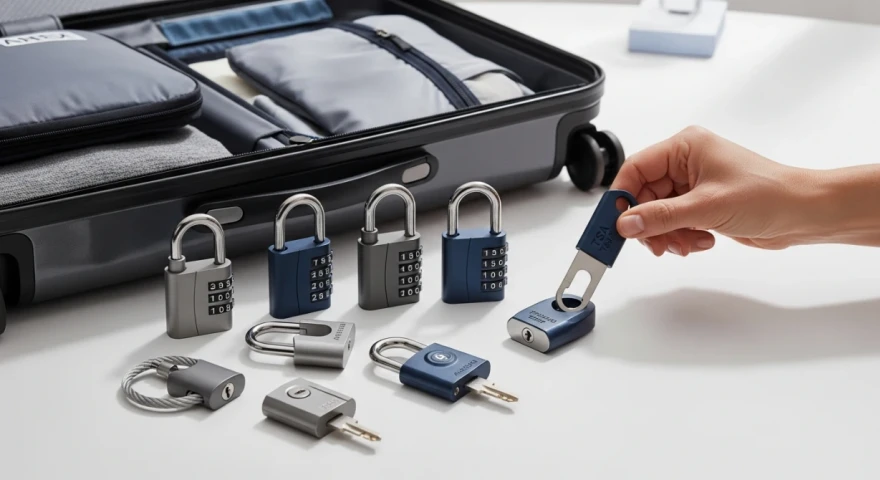
A TSA-recognized lock is helpful for checked baggage because security staff can inspect the bag without likely cutting the lock. It is useful, but it is not a theft-proof solution.
People often buy a suitcase lock for the wrong reason. They assume it makes checked baggage truly secure, then get annoyed when they learn airport screeners may still need access, or they skip it entirely and end up with a bag that can be opened without any basic deterrent at all.
That matters more now because travelers carry more electronics, chargers, documents, and small valuables inside travel bags and hand luggage than they did a few years ago. The useful question is not whether a TSA-recognized lock makes your case invincible. It is whether it matches your trip, your bag type, and the level of access airport screening may require.
🧳 What a TSA lock means in real travel use
A TSA lock is a suitcase lock built so you can secure your zipper pulls or latch while still allowing airport security staff to open it with a dedicated master-access tool if inspection is required. For everyday use, you open it with your own combination or key, depending on the design.
In practice, that means the lock serves two jobs. It adds a basic barrier against casual opening during transport, and it reduces the chance that a screening inspection turns into a broken locking point or damaged zipper area.
Airport screening can require staff to inspect checked baggage, so travel locks recognized for security access are designed to balance personal control with inspection access.
General airport screening practice
This is why these products sit within the broader category of luggage accessories rather than acting as a full security system. They are a convenience and risk-reduction tool, not a guarantee against theft.
How the mechanism usually works
- User side: You set a code or use a small key to close the lock during normal travel.
- Security side: If screening staff need to inspect the bag, they can open a TSA-recognized model with their authorized tool instead of cutting it off.
- After inspection: The bag can typically be closed again, which helps keep contents contained for the rest of the trip.
| Feature | TSA-recognized lock | Standard non-TSA lock |
|---|---|---|
| Personal opening method | Combination or key | Combination or key |
| Airport inspection access | Can be opened by authorized screeners | May need to be cut or bypassed if inspection is required |
| Best use | Checked baggage on flights | Non-air travel or situations where security inspection access is not expected |
| Main advantage | Reduces damage risk during inspection | Simple basic closure |
| Main limitation | Not a theft-proof solution | Can create problems during airport screening |
🔍 Where travelers misread the purpose
The most common misunderstanding is treating a TSA-approved lock as if it were high-security hardware. It is not built to replace smart packing, careful placement of valuables, or a durable bag with sound zippers and fittings.
The second mistake goes the other way. Some people think there is no point using one because airport staff can still get in. That misses the practical benefit. A recognized lock can discourage casual tampering while still allowing inspection without forcing damage.
Misconceptions that cause bad buying decisions
- “It makes my suitcase theft-proof.” No travel lock can promise that. It mainly adds a modest barrier and helps preserve access points during screening.
- “It is required for every trip.” It is useful in many cases, but not mandatory for every traveler or every bag.
- “It only matters for hard-shell suitcases.” Soft travel bags, work bags, and some backpacks can also benefit if they have zipper pulls that can be secured together.
- “Any lock works the same.” For air travel with checked baggage, recognition for inspection access is the practical difference that matters.
Bag choice also affects the value of a lock. A structured travel bag with sturdy fittings gives the closure point more to work with than a worn bag with weak zipper tracks, so the accessory should match the condition and build quality of the bag itself.
✈️ When you actually need one, and when you probably do not
You do not need a TSA-recognized lock just because you are flying. You need one when the downside of an unsecured or forcibly opened bag is meaningful for your trip, and when your luggage has a proper closing point that benefits from a basic deterrent.
This becomes a practical decision based on what you are checking, how often you travel, and whether you are using a suitcase, backpack, or another travel bag style. For some travelers, a lock solves a real problem. For others, it adds clutter without changing much.
| Travel scenario | Useful choice | Why it makes sense |
|---|---|---|
| Checked suitcase with clothing, chargers, and small accessories | TSA-recognized lock is usually worth it | Adds a basic barrier and allows inspection without likely cutting |
| Carry-on that stays with you most of the time | Optional | Your own supervision often matters more than the lock itself |
| Old bag with weak zipper path or damaged fittings | Replace or repair bag first | A lock cannot fix a poor closure system |
| Road trip or rail travel with no airport screening | Standard travel lock may be enough | Inspection access is less central outside flight screening |
| Backpack used as checked baggage | TSA-recognized model can help if zippers can be joined | Prevents easy opening while still fitting airport inspection realities |
Two realistic decision examples
A traveler checking a backpack with cables, toiletries, and a change of clothes benefits from a TSA-recognized model if the zipper pulls can be secured together. If screening happens, the bag is more likely to be reclosed properly instead of traveling the rest of the route partly open.
Another traveler uses a carry-on tote and keeps it nearby throughout the trip. In that case, better internal organization, quick-access storage for documents, and staying aware of the bag may matter more than adding a separate locking device.
Good reasons to use one
- Checked baggage: This is the clearest use case because airport inspection may happen out of your sight.
- Multiple transit points: More handling means more chances for casual opening or snagged zipper pulls.
- Loose small items inside: A closure helps keep contents contained if the bag is moved roughly.
- Newer bag with solid fittings: Stronger hardware makes the accessory more worthwhile.
⚠️ Common mistakes and how to prevent them
The biggest practical error is locking a bag that has weak zipper teeth, tired fabric around the closure, or low-quality fittings. The result is false confidence. Pressure will simply move to the weakest part of the bag.
Another frequent issue is setting a combination and never testing it twice before travel. People discover the mistake only after reaching the airport or hotel, which turns a helpful accessory into a problem.
- Using it on a poor-quality closure: Check zipper alignment and pull strength before relying on any security accessory.
- Packing valuables in checked baggage: Keep passports, wallets, and essential electronics with you instead of assuming the lock solves that risk.
- Forgetting the code or misplacing the key: Test opening and closing several times before the trip begins.
- Choosing the accessory before the bag: A travel bag with durable materials and sturdy fittings matters first, especially for repeated use.
- Locking overstuffed luggage: If the bag is straining at the zipper, the closure point is already under stress.
If you are shopping for travel accessories, treat the lock as one part of a smarter setup. Organizers, a luggage tag, and a suitcase scale often improve the travel experience just as much because they reduce packing errors and handling friction.

🛠️ Practical recommendations that actually help
The best buying decision is usually simple. Match the lock to how the bag closes, how often the bag will be checked, and whether the bag itself is worth securing.
- Choose for checked flights first: If you rarely check baggage, this may be optional rather than essential.
- Inspect the zipper pulls: Make sure they align cleanly and can be joined without strain.
- Test the mechanism at home: Open and close it several times before travel day.
- Use it with organized packing: Packing cubes or organizers reduce disturbance if inspection happens.
- Keep critical items on your person: No lock replaces direct control of passports, money, medication, or must-have electronics.
- Replace worn bags before adding hardware: A reliable travel bag is a better investment than securing a failing one.
If you plan to buy travel accessories for a new trip, prioritize in this order: a dependable bag, internal organizers, clear identification, then a TSA-recognized lock if you expect to check baggage. That order reflects how travel problems usually happen in real life.
✅ Priority checklist before your next flight
- Decide whether the bag will be checked: If yes, a TSA-recognized option moves higher on the list.
- Inspect bag condition: Confirm the zipper path, seams, and fittings are in good shape.
- Check what you are packing: Move irreplaceable or high-value essentials into hand luggage.
- Confirm usability: Test your code or key before leaving home.
- Add supporting accessories: Organizers, tags, and a scale can prevent separate travel headaches.
For many travelers, that is the smartest way to think about travel accessories as a system rather than random add-ons. A lock helps most when it supports a well-chosen bag and disciplined packing, not when it is expected to solve every risk by itself.
📌 Final takeaway
A TSA-recognized lock is useful when you check baggage and want a basic closure that still works with airport inspection. It does not make a suitcase theft-proof, but it can reduce casual tampering and avoid unnecessary damage during screening. The right decision depends on your bag condition, what you pack, and whether the bag leaves your sight. If you are choosing gear for an upcoming trip, threebirds offers travel bags and related accessories that fit practical travel use.
Do I need a TSA lock for carry-on luggage?
Usually not. If the bag stays with you most of the time, your supervision is often more useful than adding a separate lock.
Will a TSA-recognized lock stop theft?
No, it is a basic deterrent, not a guarantee. Keep important documents and must-have valuables with you.
Can I use one on a backpack instead of a suitcase?
Yes, if the zipper pulls can be secured together and the closure area is sturdy enough to support it.
What should I check before using a travel lock?
Test the opening method, inspect the zipper path, and make sure the bag is not overfilled or already stressed.
Is a lock useful on an old bag?
Only if the bag is still structurally sound. Weak zippers or damaged fittings should be repaired or replaced first.
What other accessories help more than people expect?
Organizers, tags, and suitcase scales often solve day-to-day travel problems by improving packing, identification, and weight control.
 How to Build a Capsule Wardrobe for Travel That Works Anywhere in the World
 Travel Accessories Worth Packing in 2025: Essentials That Truly Upgrade Every Trip