
What to Look for in a Quality Suitcase: 7 Features That Matter Most for Travelers
Focus on shell quality, spinner wheels, strong handle, reliable zippers, weight and size, interior organization, and security details to choose a suitcase that stays comfortable and durable over years of trips.
Most travelers only discover their suitcase is badly made when a wheel snaps in the airport or a zipper fails the night before a flight. The contradiction is that we scrutinize flights and hotels, yet often grab luggage on discount and hope for the best. With baggage handlers, tight connections, and more people traveling with electronics and fragile items, the quality of your suitcase now directly affects how stressful every trip feels. Once you understand what to look for in a quality suitcase, decisions about size, material, and price become much simpler.
🧭 How This Shortlist of 7 Features Was Selected
The seven features below are based on where suitcases usually fail in real life: wheels, zippers, handles, shell or fabric, internal layout, security, and weight. These are also the areas where a small upgrade in quality has a big impact on comfort and reliability.
To make the cut, each feature had to meet three criteria.
- Direct impact on trips: It must clearly affect how easy, safe, or stress free your travel is.
- Measurable in practice: You can check it in a store or from an online description, not just guess.
- Relevant across trips: It must matter for work journeys, holidays, and weekend breaks, not only one niche case.
When we refer to specific examples like Canary hard shell suitcases or the Eagle soft shell case, it is only to show how real products translate these features into actual designs, not to limit your choice to one model.
⚡ The 7 Features That Matter Most: Quick Verdicts
Here is the shortlist you can use as a fast filter before you buy travel suitcase options online or in store.
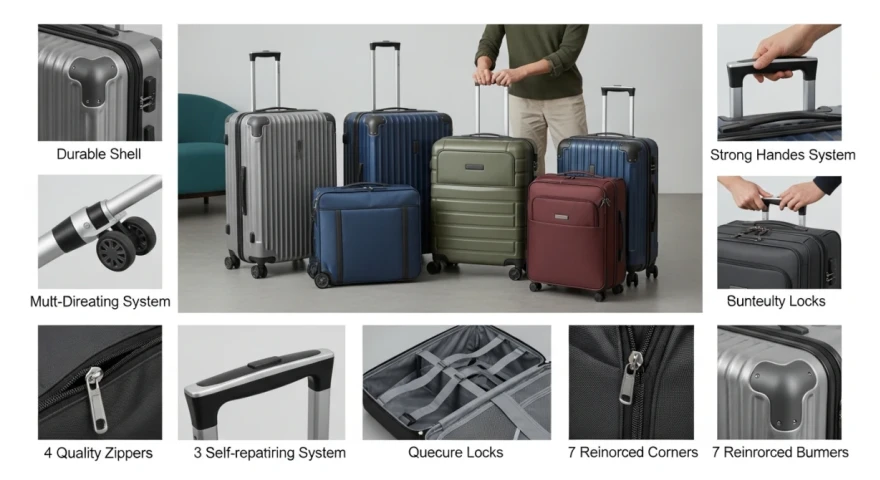
- Shell material: Choose sturdy polycarbonate type hard shells or thick fabric that resists tears and flexes under pressure.
- Wheels: Prefer four spinner wheels, especially double wheels, for smooth airport movement and stability.
- Telescopic handle: Look for aluminum construction, solid feel, and a handle that hides fully inside the case.
- Zippers and hardware: Strong, smooth zippers with solid pullers reduce the most common failure point.
- Weight and size: Match weight to your strength and trip style, and size to airline rules, especially for any cabin suitcase.
- Interior organization: Dividers and straps keep clothes, gadgets, and toiletries in place and prevent creasing.
- Security and protection: Built in locks, tough corners, and optional covers limit damage and theft risks.
The rest of the article breaks down exactly how to check each of these and which type of traveler should prioritize what.
💼 Feature 1: Shell Material and Overall Construction
The shell is your first line of defense against baggage handling, weather, and rough pavements. Both hard shell and soft shell designs can be excellent if the material and build are right.
Hard shell suitcases: when a solid shell makes sense
Polycarbonate style hard shells flex instead of cracking, which makes them a strong all round choice for frequent flights and connections. A case like the Canary Hard Shell Suitcase or Finch Hard Shell Suitcase uses a rigid outer shell that shields clothes, gadgets, and souvenirs from impact and pressure.
- Best for: Protecting electronics, fragile souvenirs, and neatly packed clothes that you want to stay compressed.
- How to check quality: Press the shell. It should give slightly, not feel brittle. Corners should not feel thin or hollow.
- When to choose: When you want to buy a hard-shell suitcase that can handle being stacked and tossed without denting easily.
Soft shell suitcases: flexibility and external pockets
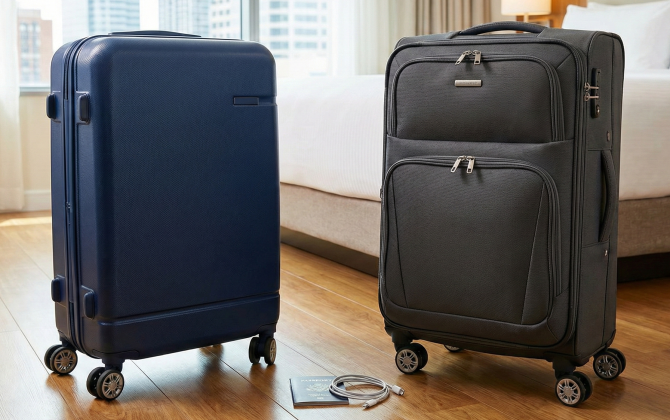
Soft shell options like the Eagle Soft Shell Suitcase in dark blue use durable fabrics that flex, absorb bumps, and often offer extra front pockets. This makes it easier to access documents, a jacket, or a laptop during travel.
- Best for: Travelers who like quick access pockets and sometimes overpack by a few centimeters.
- How to check quality: The fabric should feel thick and tightly woven, with reinforced seams and corner protection.
- When to choose: If you often travel by car, train, or coach and value flexible storage more than rigid protection.
| Shell type | Key advantage | Typical risk | Good use case |
|---|---|---|---|
| Hard shell (Canary, Finch ranges) | Better impact protection and shape stability | Less external pockets, may scuff on carousels | Flights with checked baggage and fragile items |
| Soft shell (Eagle) | Extra pockets and slight expansion | More vulnerable to sharp objects and heavy rain | Road trips, short flights, mixed transport |
🛞 Feature 2: Wheels That Survive Real Airports
Spinner wheels can turn a heavy suitcase into something you can guide with two fingers. Poor wheels do the opposite and feel like you are dragging a box of bricks.
Research and practical experience show that four double spinner wheels give better stability, smoother rolling, and fewer failures in busy terminals. They distribute weight more evenly and cope better with direction changes.
- What to look for: Four wheels that spin freely in every direction, with no wobble or grinding sounds.
- How to test in a store: Load the case a bit, then push it beside you, not behind you. It should glide straight without tipping.
- Online check: Look for mention of spinner wheels, photos of the wheel base, and close ups that show sturdy housings.
For checked luggage sizes like the larger Canary or Finch hard shell suitcases, stable spinner wheels are essential, because you will roll them longer distances between parking, check in, and hotel.
📏 Feature 3: Telescopic Handle That Does Not Wiggle
A weak handle can make even the best wheels feel frustrating. The internal frame and handle need to be strong but light, especially if you travel often across different surfaces.
Aluminum handles are recommended because they resist bending while remaining light. They should slide smoothly and lock firmly at least in one or two positions. The handle should retract completely inside the case to reduce damage risk during flights.
- Quick quality checks: Extend the handle fully, twist it gently. Minimal side to side movement means better construction.
- Check the mechanism: It should move up and down without sticking or rattling.
- Travel comfort: Make sure the height suits your walk. A handle that is too short forces you to bend your wrist and shoulder.
When you compare options such as a medium Canary Hard Shell Suitcase and a larger Eagle Soft Shell Suitcase, handle comfort becomes even more important because a heavier bag puts more pressure on the grip.
🔐 Feature 4: Zippers and Hardware You Can Trust
Zippers fail more often than almost any other suitcase part. Teeth separate, pulls snap, and cheap sliders jam at the worst possible moment.
The zipper system is the most frequent weak point on travel luggage, so investing in stronger zippers and pulls significantly reduces mid trip failures.
High quality zippers, like sturdy #10 types, are thicker and track more smoothly. Even if specific brands are not listed in the product description, you can still assess the build.
- What to check in person: Run the zipper several times around corners. It should not snag. Teeth should be wide and aligned.
- Hardware feel: Pulls and sliders should be metal or strong composite, not flimsy pieces that bend easily.
- Stitching: The zipper tape should be securely sewn into the shell or fabric without loose threads.
On soft shell models like the Eagle, front pocket zippers should feel as solid as the main compartment, because those pockets often carry tickets, boarding passes, and devices you access often.
⚖️ Feature 5: Weight, Size, and Fit for Your Trip
The best case is light enough to lift comfortably but solid enough to protect your gear. If you travel with budget airlines or connect often, size and weight become even more critical.
For short trips a smaller wheeled cabin suitcase reduces check in time and keeps essentials with you. For longer holidays you might combine a cabin sized Finch or Canary with a larger checked suitcase and a compact travel backpack like the Bange 6801.
| Suitcase size | Typical use | Pros | Considerations |
|---|---|---|---|
| Cabin | 1 to 3 day trips, flights with only hand luggage | No baggage claim, more control over valuables | Volume is limited, packing must be efficient |
| Medium | 3 to 7 day trips | Balance between capacity and weight | May still meet some airline check in limits only |
| Large | Family holidays, long stays | Space for shared packing | Heavier and harder to store at home |
- How to choose weight: Aim for the lightest case that still feels solid, especially for large checked bags.
- Home test: Fill a current bag to your usual level. Ask if you could comfortably lift that above your head into an overhead bin.
- Airline fit: Always check dimensions for carry on rules, then compare with the measurements of the suitcase.
🧩 Feature 6: Interior Organization and Accessories
A well built suitcase is only truly useful when the inside helps you pack and unpack without chaos. Internal structure can make a mid range suitcase feel more premium in daily use.
Hard shell options like the Canary and Finch models often include two sided compartments with zippable dividers and straps. This keeps half your clothes in place even when you open the case vertically in tight hotel rooms.
- Must have elements: Cross straps or compression straps, at least one internal divider, and a separate area for small items or underwear.
- Nice to have: Mesh pockets for accessories, sealed pockets for toiletries, and space that works well with suitcase organizers.
- Accessories to pair: Packing cubes and suitcase organizers with multiple compartments keep categories clear and reduce creasing.
Travel accessories from the same retailer, such as compact toiletry cases, packing organizers for clothes, and slim document holders, help you build a system that works across different suitcase sizes and trip types.

🛡️ Feature 7: Security and Protection Details
Security is a mix of how hard it is to access the case without permission and how well it resists scratches and knocks. You want to balance peace of mind with convenience at security checks.
Combination locks, secure zipper pullers that connect into those locks, and sturdy shell corners all contribute to better protection. Suitcase covers can also reduce cosmetic damage and help you spot your luggage on a busy carousel.
- Look for: Integrated combination locks, zipper heads that anchor into the lock, and non flimsy zipper pulls.
- Protection extras: Consider a suitcase cover for hard shell lines like Canary or Finch to reduce scuffs and make your bag easier to recognize at a distance.
- ID and tags: Luggage tags and clear name windows make recovery simpler if your suitcase is delayed.
🧠 Who Should Prioritize Which Features
Not every traveler needs to focus on all seven features equally. Use this to decide what matters most for your situation.
Frequent flyers and business travelers
If you fly often for work, reliability and smooth movement are critical. A hard shell Canary or Finch with strong spinner wheels, a solid handle, and internal dividers pairs well with a slim business backpack such as the Arctic Hunter or Bange models for laptops.
- Top 3 priorities: Wheels, zippers, telescopic handle.
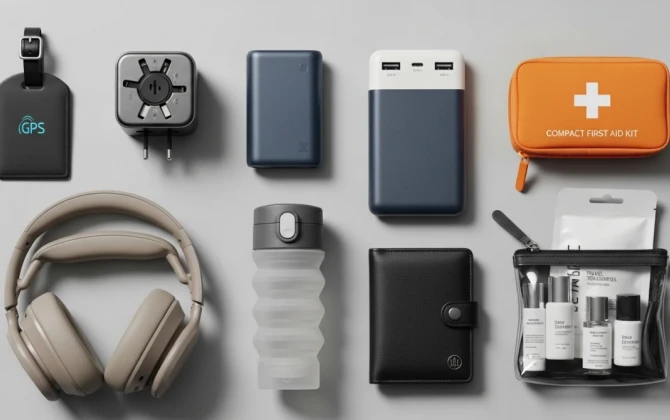
- Good add ons: Travel adapters, compact toiletry bottles, and a laptop backpack that sits comfortably on top of the suitcase.
Family holiday makers
Families need capacity and durability more than ultra premium materials. One larger Finch Hard Shell Suitcase or Eagle Soft Shell suitcase for checked baggage plus smaller cabin cases and backpacks for kids keeps packing organized.
- Top 3 priorities: Size, weight, interior organization.
- Good add ons: Packing cubes for each family member, luggage straps, and bright suitcase covers to spot bags quickly.
Weekend and city break travelers
For quick trips you want speed and simplicity. A well built cabin suitcase combined with a compact Bange backpack or crossbody bag gives you enough space for clothes, a laptop, and essentials.
- Top 3 priorities: Dimensions for carry on, weight, shell type that suits your style.
- Good add ons: Travel pillows, sleep masks, and a small toiletry case ready packed for frequent short trips.
🧪 Practical Scenarios: How Quality Shows Up in Real Trips
Scenario 1: Tight connection with a heavy bag
You land late, your connection is boarding, and you need to move fast across a large airport. A four wheel hard shell Canary suitcase with smooth spinner wheels will roll beside you without tipping, even when fully loaded. A solid aluminum handle lets you change direction quickly without wrestling the case, and good zippers mean nothing bursts open as you hurry.
Scenario 2: Mixed transport and packing for two climates
On a train and car based holiday with warm and cool destinations, a soft shell Eagle suitcase plus packing organizers gives you flexible space. The fabric exterior absorbs small impacts in car trunks and overhead racks, while internal compartments and cubes separate cold weather items from beach gear so you do not unpack the entire case every time you change location.
🧯 Common Mistakes When Choosing a Suitcase
- Buying only by design: Choosing based on color and pattern without checking wheels, zippers, and handle stability.
- Ignoring weight: Picking the heaviest option because it feels solid, then struggling with stairs and overhead bins.
- Underestimating organization: Assuming you can organize anything, then fighting with a single large compartment that becomes a cluttered pile.
- Skipping protection: Forgetting covers and tags for hard shell suitcases that will clearly see multiple flights per year.
🧰 Five Actionable Tips Before You Buy
- Do a five minute store test: Extend the handle, roll the suitcase fully loaded if possible, open and close every zipper, and check for wobble.
- Measure your current packing: Pack for a typical trip into your existing bag, then measure the filled dimensions and weight to see what you truly need.
- Plan suitcase plus accessories: Combine a quality suitcase with organizers, covers, and a backpack that work together as a system.
- Match case type to routes: Choose hard shell for regular flights with checked bags and soft shell when road trips and rail are more common.
- Check seller support: Favor retailers like threebirds that offer clear delivery terms, multi year warranties, and straightforward returns, as that reflects confidence in build quality.
✅ Final Shortlist Checklist: 7 Things to Confirm
Use this quick checklist when you are ready to buy a durable suitcase that will last more than a couple of seasons.
- Shell feels solid but not brittle, with reinforced corners.
- Four spinner wheels roll smoothly and stay stable when pushed beside you.
- Telescopic handle is aluminum, locks firmly, and retracts fully inside.
- Zippers are thick, run smoothly around corners, and use sturdy pulls.
- Size and weight match your typical trips and airline rules.
- Interior includes straps, dividers, and at least one pocket for small items.
- Security is covered with combination lock options and visible ID tagging.
When a suitcase passes all seven checks, the exact color or small style details matter much less, because you know the fundamentals are strong.
A well chosen suitcase, paired with smart travel accessories and possibly a matching backpack from threebirds, will quietly reduce stress on every journey while keeping your belongings protected.
Choose your next suitcase carefully, and it will support years of trips rather than becoming another short lived purchase.
How can I quickly compare hard shell and soft shell suitcases?
Hard shells like the Canary and Finch lines give better impact protection, while soft shells like the Eagle offer flexible packing and extra pockets. Choose based on how often you fly with checked baggage versus road or rail trips.
What is the most important feature if I travel by plane several times a month?
Spinner wheels and a solid telescopic handle are critical, because they affect every step you take between check in, security, and boarding. Strong zippers are the next priority, since they are the most common failure point.
How do I know if a suitcase handle is good enough?
Extend it fully and twist gently. Good handles have minimal side movement, glide smoothly, and lock in place without rattling, and they disappear completely inside the case when not in use.
Do I really need interior dividers and straps?
Yes, if you want clothes and gadgets to stay in place and crease less. Dividers and straps are especially valuable in hard shell designs that open in two equal halves.
Are suitcase covers worth buying for hard shell models?
They help reduce scratches and scuffs and make your suitcase easier to spot on the carousel. They are particularly useful if you fly frequently with a Canary or Finch hard shell case.
What size suitcase should I choose for short business trips?
A well proportioned cabin suitcase combined with a slim laptop backpack normally holds clothes, documents, and electronics for two to three days without needing checked baggage.
How do packing organizers improve a suitcase with a simple interior?
Packing cubes and organizers divide clothing by type, keep outfits together, and reduce creasing. They effectively add structure to any suitcase that has only basic straps or a single compartment.
Why is warranty length important when buying luggage?
A longer warranty shows the seller expects the suitcase to last through years of travel. It also gives you practical support if wheels, handles, or zippers develop issues under normal use.
 How to Build a Capsule Wardrobe for Travel That Works Anywhere in the World
 Travel Accessories Worth Packing in 2025: Essentials That Truly Upgrade Every Trip