
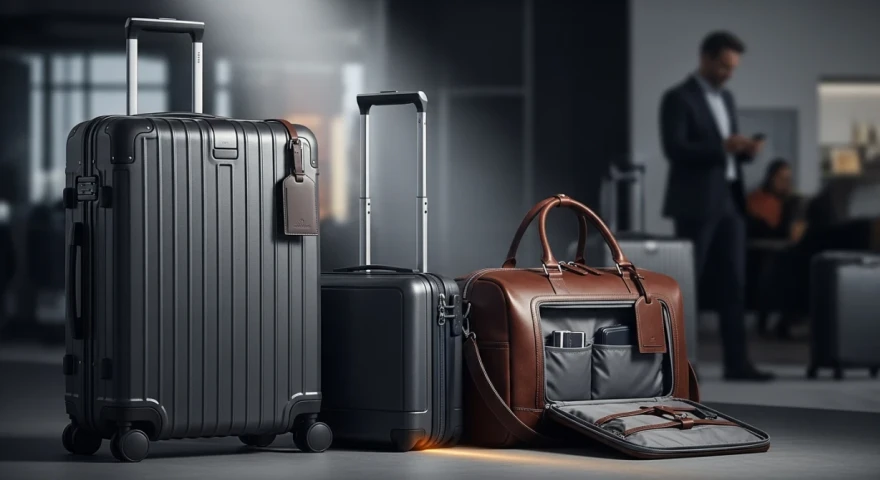
Why Investing in Quality Luggage Saves You Money Long-Term When You Buy Durable Suitcase Options
Quality luggage costs more upfront but lasts longer, protects belongings, and avoids emergency replacements. Looking at cost per trip, features, and warranty shows well-built cases are cheaper over time.
You see it all the time at baggage claim. Someone drags a wobbly case off the belt, one wheel hanging sideways, zipper half open, clothes spilling out. That suitcase was “a bargain” six months ago. Now it needs replacing, usually right before another trip when prices feel even higher.
Airlines handle bags roughly, trips are more frequent again, and many travelers are discovering that the real cost of luggage shows up after purchase. The long-term winners are not the people who spend the least at checkout, but the ones who treat luggage as a piece of equipment, not a disposable accessory.
Understanding why investing in quality luggage saves you money in the long run starts with one simple shift. Instead of asking “How cheap can I get this?” ask “How many trouble‑free trips will this bag give me per pound spent?” Everything else follows from there.
Frequent travelers often observe that the cheapest luggage tends to fail at the most inconvenient moment, usually when you are far from home and under time pressure.
🧳 How cheap luggage quietly drains your budget
Low-priced luggage rarely fails in one dramatic moment. It wears out in stages that cost you money every time. First the handle sticks, then the wheel starts to drag, then the zipper breaks. You spend on repairs, last‑minute replacements, and extra taxis because your case is now hard to move.
There is also the “stress cost.” When you do not trust your suitcase, you overpack hand luggage, buy extra organizers to compensate for poor space, and waste time babying the bag through airports. None of that shows up on the original price tag, but it affects every trip.
By contrast, a stable wheelbase, a strong frame, and a shell that resists impact mean you can roll your suitcase with one hand, keep using it for years, and avoid emergency shopping trips when a bag fails on day one of a holiday.
🔎 How to judge luggage quality in 60 seconds
Most people look at color and price first, but the fastest way to spot real quality is to handle the case like it will be treated by airport staff. Pull, twist, and roll it as if you are in a hurry on a rough pavement. If it already feels fragile in a showroom, it will not survive repeated travel.
- Check the shell: Hard shell suitcases in polycarbonate or ABS should flex slightly when you press them, not stay dented or feel brittle.
- Test the wheels: Two- or four-wheel designs should roll smoothly in a straight line without wobbling or scraping.
- Pull the handle: The telescopic handle should lock in place without rattling and should not twist when you tilt the bag.
- Look at seams and zippers: Stitching should be even, with no loose threads, and zippers should run smoothly around corners without catching.
- Assess interior layout: Dividers, straps, and pockets should keep clothes stable so weight does not strain zippers and fabric.
These details are what allow suitcase collections that focus on style, comfort, and quality to outlast bargain options. That longer lifespan reduces your cost per trip, even if the initial price is a bit higher.
💷 Price ranges: what you actually get at each tier
Prices alone do not tell you what a suitcase will deliver. It helps to think in tiers based on build and features, then compare that with how often and how hard you travel.
Entry-level: short-term use and light travel
In the lowest price tier you often get basic materials, simpler wheel systems, and fewer reinforcements. Some small backpacks and very simple soft bags sit here. They are fine for occasional, light use and for people who mostly travel by car or coach where bags are not thrown around as much.
The trade-off is lifespan. Zippers, wheels, and handles at this level are the most likely to fail when exposed to repeated checked-luggage handling or heavy loads.
Mid-range: solid value for regular travelers
Mid-range luggage combines better durability with useful features. For example, hard shell suitcases like the Canary or Finch collections are available around the middle of the pricing spectrum and include impact‑resistant shells, telescopic handles, and wheeled bases that handle typical airport and city use well.
Soft shell options such as the Eagle suitcase line sit in the same general band, trading rigid shells for flexible fabric that is easier to compress into car trunks or overhead spaces. At this tier, you also begin to see consistent warranty coverage and free delivery above certain order values, which further reduces effective cost.
Upper mid-range: performance and longevity
Higher-priced backpacks from brands such as Arctic Hunter or Bange often include stronger fabrics, extra padding for laptops, and more refined internal organization. For frequent business or city travelers, a durable backpack in this range spreads its cost over years of daily use.
Even though some individual models list higher prices than the simplest alternatives, the combination of sturdier materials and multi-year warranties means these bags can be a better financial decision than replacing cheaper gear every year.
| Tier | Typical products | What you usually get | Best for |
|---|---|---|---|
| Entry-level | Simple soft bags, basic backpacks | Minimal features, lighter construction | Infrequent car or coach trips |
| Mid-range | Canary / Finch hard shell, Eagle soft shell Suitcases | Stable wheels, strong shell or fabric, basic interior organization | Regular holidays and city breaks |
| Upper mid-range | Arctic Hunter, Bange backpacks and travel bags | Enhanced durability, laptop protection, better ergonomics | Business, commuting, frequent flying |
Once you think in tiers and lifespan instead of only ticket price, it becomes clear why paying slightly more for robust construction can end up cheaper after a few trips.
⚙️ Main cost drivers when you buy luggage
Several technical choices influence the price of a suitcase or travel bag. Understanding them helps you decide where spending extra actually pays off and where you can safely save.
- Shell material: Tough polycarbonate or ABS hard shells cost more than thin plastics but handle impacts and stacking better. Good soft shells use tightly woven, abrasion-resistant fabric.
- Wheel system: Quality wheels with good bearings and secure mounts are more expensive to produce than basic casters, but they reduce drag, noise, and failure risk.
- Handles and hardware: Telescopic handles, sturdy zippers, and reinforced corners add manufacturing cost but are the parts most likely to fail on cheap luggage.
- Design and organization: Thoughtful internal dividers, compression straps, and pockets take more design effort and materials yet help you pack more efficiently and protect items.
- Warranty and service: Multi-year warranties and flexible returns are built into the price but act as insurance against defects and early failures.
For backpacks, padding and structure drive price too. A model such as the Bange FM230 or Arctic Hunter B0388, with stronger construction and organized laptop storage, requires more materials and stitching than a simple daypack. That extra build quality allows daily use without seams or straps failing.
| Cost driver | Lower-cost choice | Higher-cost choice | Impact on long-term cost |
|---|---|---|---|
| Shell / fabric | Thin plastic or basic fabric | Polycarbonate/ABS or dense woven fabric | Cheaper now, higher chance of cracks or tears |
| Wheels | Simple plastic casters | Robust two- or four-wheel systems | Cheap now, but failures can force early replacement |
| Hardware | Light zippers, non-reinforced handles | Heavy-duty zippers, reinforced handles | Durable hardware often outlasts the shell, extending life |
| Warranty | Short or none | Up to 5 years | Longer coverage lowers your risk and potential repair costs |
📊 Realistic budget scenarios for different travelers
The right amount to spend depends less on your income and more on how you travel. Matching budget to usage pattern prevents both overbuying and false savings.
Occasional holiday traveler
If you fly once or twice a year, a solid mid‑range hard shell case like a Canary or Finch suitcase often hits the sweet spot. You get hard-wearing shells, easy-rolling wheels, and simple organization without paying for daily business‑travel features you will not use.
Pairing that with a moderate backpack such as an Arctic Hunter B00111C or an entry-level Bange model can keep total spend reasonable while still providing safe laptop storage and comfortable carrying for city tours.
Frequent flyer or business traveler
For monthly or weekly trips, luggage is work equipment. It makes sense to invest in suitcases and backpacks at the upper end of the mid‑range, where the cost spreads over dozens of flights. A well-built Bange BG6625 or FM230 backpack can serve as a mobile office for years.
At this level, multi-year warranties, sturdy wheels, and comfortable handles become essential. A breakdown during a business trip costs more than the price gap between mid and upper-mid gear when you factor in lost time and replacement stress.
Family and multi-bag travelers
Families or couples often need several coordinated cases. In this situation, looking at luggage sets can be cost‑effective because you equip everyone at once with compatible sizes and styles. The unified setup makes packing and stacking in cars or on luggage trolleys simpler.
You can often mix one robust hard shell suitcase for checked items with softer backpacks or travel bags for day use. Done well, this approach balances cost and flexibility without resorting to disposable, low-quality bags.
🚫 Hidden costs and risk buffers
The obvious cost of a cheap suitcase is replacing it sooner. The hidden costs can be larger and more painful, particularly when something fails mid‑trip. Thinking through these “what if” expenses helps justify spending slightly more upfront.
- Emergency replacement: Buying a new suitcase at an airport or tourist area is rarely cheap and often limits you to whatever is in stock that day.
- Transport hassles: When wheels fail, you may switch to taxis instead of walking or using public transport, increasing total trip spend.
- Damaged belongings: Weak shells or zippers that burst can expose clothes, electronics, or gifts to damage or loss.
- Missed connections: A broken handle or wheel can slow you enough to miss trains or flights, which is far more expensive than any suitcase upgrade.
- Stress and time: Time spent nursing a failing bag or searching for repairs is time not spent enjoying your trip or focusing on work.
To protect yourself, build a small “risk buffer” into your budget. Instead of only asking the maximum you are willing to spend, decide how much extra you would pay to avoid one emergency replacement in a busy airport. That mental shift often points you toward better-built luggage with long warranties and flexible returns.
✅ Budget planning checklist before you buy
Before you click “checkout” or pay in store, run through a quick checklist. It keeps your decision grounded in total trip cost, not just sticker price.
- Define usage: Estimate how many trips per year you will take and whether bags will be checked, carried on, or used daily.
- Set a per-trip target: Decide how much you are comfortable paying per year or per trip for your luggage, then choose a price that matches that horizon.
- Prioritize features: Rank what matters to you most from shell strength, weight, wheels, internal organization, style, and security features.
- Check support: Confirm warranty length, return window, and any free delivery thresholds that effectively reduce cost.
- Inspect build: If possible, handle the suitcase or bag in person and stress-test the wheels, handles, and zippers.
Using this checklist turns buying luggage into a planned investment rather than a rushed purchase days before departure.

🎒 Case studies: when quality pays for itself
Scenario 1: The budget suitcase that failed mid‑trip
Imagine a traveler who chooses the cheapest hard case for a long‑awaited holiday. On the outbound flight a wheel cracks, and the handle starts to wobble. By the return journey, the wheel is unusable, forcing the traveler to drag the case on its side through airports and streets.
At the airport, they buy a replacement at a premium price and pay extra baggage fees because the new case is heavier and less compact. Over one holiday, they have spent more than the cost of a mid‑range suitcase and endured the hassle of a failing bag.
Scenario 2: The mid‑range case used over years
Contrast that with a traveler who chooses a mid‑range hard shell like a Canary or Finch suitcase and pairs it with a Bange BG6800 or BG7529 backpack for hand luggage. The suitcase handles several years of annual trips without any failures, and the backpack doubles as a daily city or work bag.
The cost per trip drops each year, and because the luggage rolls smoothly and protects belongings, there are no emergency purchases or damaged items. The slightly higher upfront spend has turned into long-term savings and a more relaxed travel experience.
🧠 Practical buying tips that actually save money
Focusing on a few practical habits when you shop helps your luggage last longer and keeps the total cost of ownership down.
- Buy for your heaviest use case: Choose a suitcase that can comfortably handle your toughest trip, not just your lightest weekend away.
- Balance weight and strength: If you want to buy lightweight suitcase options, make sure weight savings are not coming from weak shells or flimsy hardware.
- Check compatibility: Make sure handles and straps on backpacks like the Arctic Hunter B0388 or Bange models sit comfortably on your shoulders, especially if you carry laptops.
- Think in systems: Combine a reliable checked case with a practical long-strap or crossbody bag so you can move easily through cities and airports.
- Use the warranty: Register your purchase and keep receipts so you can use any 5-year warranty or 30-day return policy if an early defect appears.
These small steps increase the chance that your next suitcase or backpack will be a long‑term companion rather than a short‑lived expense.
🌍 When to choose hard shell vs soft shell
Quality shows up differently in hard and soft luggage, so it helps to match style to how and where you travel. Both types can be cost‑effective if you pick well‑built versions.
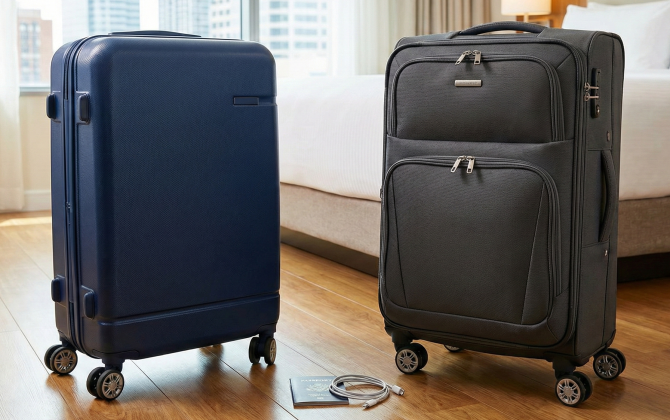
Hard shell suitcases such as those in the Canary and Finch lines protect contents from impact and are easy to wipe clean, which is ideal for flights and busy transit. Soft options like the Eagle suitcase range offer more give when packing cars or squeezing into full overhead racks.
If you often pack fragile items or travel to destinations with wet weather, a tough, water-resistant shell is usually the safer financial bet. For primarily car-based holidays or rail trips with lots of lifting and fitting into small spaces, a sturdy soft shell can be the more flexible and still economical choice.
When you want to buy travel suitcase models that last, focus less on the shell type and more on wheel quality, handle strength, stitching, and a reputable warranty.
💼 Why backpacks and accessories matter to total cost
Your suitcase is only part of the investment. Backpacks and travel accessories significantly affect how well everything survives the journey. Durable laptop backpacks like the Bange 6801 series or BG7529 provide structured protection and thoughtful compartments, which reduces the risk of costly gadget damage.
Organizers, covers, and straps also play a role. Packing cubes keep clothes from shifting and stressing zippers, while suitcase covers reduce scuffs and make it easier to spot your luggage on the carousel. Over time these small accessories extend the life of the main case.
Travel pillows, masks, and document holders may not affect luggage lifespan directly, but they ensure you actually enjoy the trips that your well‑chosen bags make possible. A complete, quality travel setup lowers the chance of last‑minute purchases and forgotten essentials.
When you are ready to buy durable suitcase options as part of a long‑term travel kit, browsing curated suitcase collections that emphasize craftsmanship, comfort, and style is often more efficient than picking random pieces from different sources.
🔚 Conclusion: pay once, travel often
Cheap luggage looks attractive at the checkout, but its failures show up when you can least afford delays, stress, or extra spending. Quality suitcases and backpacks spread their cost over many trips, protect your belongings, and keep you moving smoothly through every airport and station.
By thinking in terms of cost per trip, checking core build features, and matching your budget to how you actually travel, you convert luggage from a disposable item into a long-term tool. Multi-year warranties, thoughtful design, and durable materials are not luxuries. They are practical safeguards against hidden costs.
The real saving comes from avoiding emergency replacements, damaged items, and disrupted itineraries. If you treat luggage as part of your travel infrastructure, investing slightly more today keeps both your journeys and your budget on track.
For well-balanced, long‑lasting options, explore the coordinated suitcase and backpack ranges from threebirds when you upgrade your travel gear.
How do I know if a suitcase will last more than a couple of trips?
Test the wheels, handle, and zippers under firm pressure and movement. If they feel loose, catch easily, or wobble, the case is unlikely to survive repeated airline handling.
Is a hard shell always better value than a soft shell?
Not always. Hard shells protect better against impact, while quality soft shells are more flexible for car travel and overhead spaces. The deciding factor is overall build quality and your travel style.
When does it make sense to spend more on a backpack?
If you carry a laptop, travel frequently, or use the backpack daily in the city, a sturdier model with good padding and organization usually pays off in protection and comfort.
Can accessories really extend the life of my luggage?
Yes. Packing cubes reduce internal strain on zippers and seams, and suitcase covers protect shells from scratches and scuffs that can weaken surfaces over time.
How should I set a realistic luggage budget?
Estimate how many trips per year you will take, then choose a suitcase that can last several years at a per‑trip cost you are comfortable with rather than chasing the lowest one‑time price.
What features should I prioritize if I travel mostly by plane?
Focus on strong shells or fabrics, smooth wheels, reinforced handles, and reliable zippers, along with a solid warranty to cover defects that appear after a few flights.
Is buying a luggage set cheaper than separate pieces?
For families or couples, coordinated sets often reduce total spend while giving you multiple sizes that stack and store efficiently for different kinds of trips.
How does a long warranty save me money?
A multi-year warranty shifts the cost of early defects away from you, so you avoid paying for repairs or replacements if something fails before its reasonable lifespan.
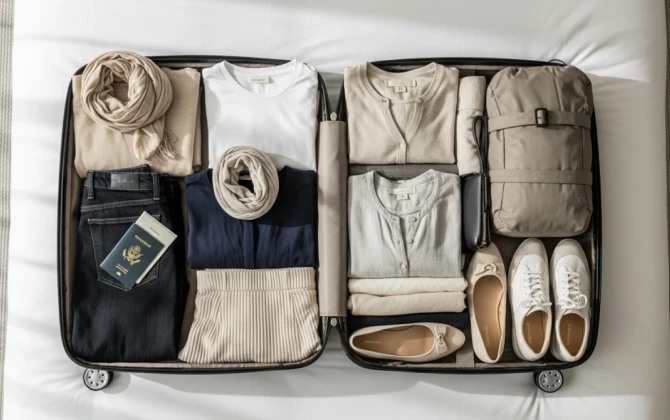 How to Build a Capsule Wardrobe for Travel That Works Anywhere in the World
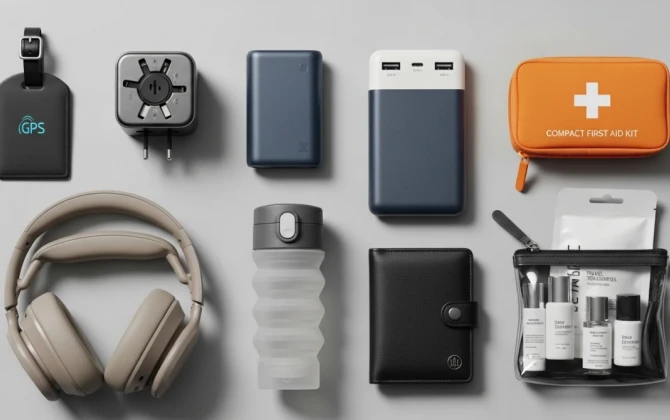 Travel Accessories Worth Packing in 2025: Essentials That Truly Upgrade Every Trip