
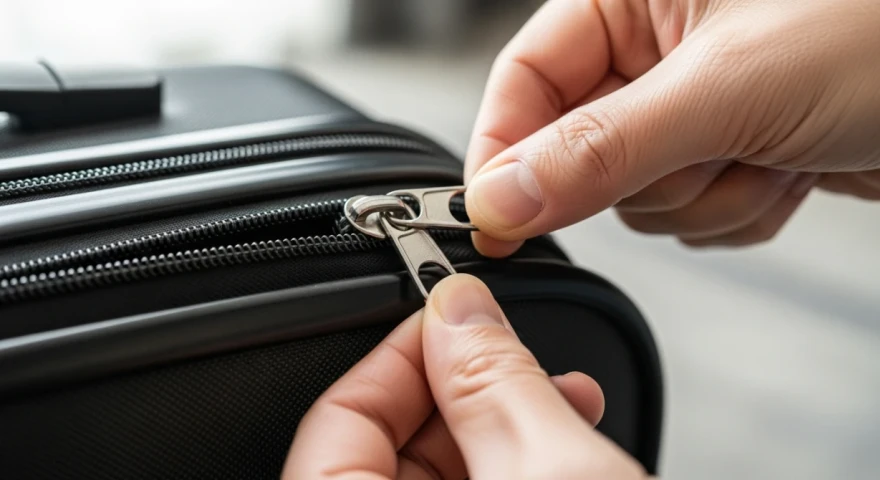
Why Your Suitcase Zipper Gets Stuck - and How to Fix It in Seconds
A stuck suitcase zipper is usually caused by friction, trapped fabric, or overpacking pressure. Stop pulling, reduce tension, inspect the track, and use graphite, soap, or clear lip balm only when the teeth are dragging.
A jammed case closure usually happens at the worst possible moment, right when you are checking in, closing an overpacked bag, or trying to pull out a laptop at security. The common mistake is forcing the pull tab harder, which often turns a quick fix into bent teeth, fabric caught in the track, or a slider that no longer lines up.
This matters more now because modern travel often means tighter packing, more organizers, and faster transitions between airport, train, and hotel. The fastest way forward is to stop pulling, identify what is actually blocking the track, and match the fix to the severity of the snag.
🧭 What does a stuck suitcase zipper usually mean?
A stuck zipper usually means one of three things. The teeth are creating friction, fabric is trapped, or the slider is under pressure from an overfilled bag.
Those three causes feel similar in your hand, but they leave different clues. If the pull tab moves a little and then stops, friction is likely. If one side bunches near the slider, fabric is probably caught. If the closure opens behind the slider or resists only when the case is full, the bag is likely under strain.
| Symptom | Most likely cause | What you should do first |
|---|---|---|
| Pull tab barely moves | Dry teeth or friction | Apply graphite, soap, or clear lip balm lightly |
| One edge wrinkles into the track | Fabric caught in the mechanism | Stop pulling and back the slider up slowly |
| Closure works when bag is partly empty | Overpacking pressure | Remove a few bulky items and try again |
| Track separates behind the slider | Misalignment or worn slider | Test gently with low pressure, then consider repair |
Quick recognition saves damage. The more resistance you feel, the less force you should use.
🔎 How can you tell what is actually causing the jam?
You can isolate the cause in under a minute by reducing tension and checking the track in a fixed order. Start with pressure, then look for trapped material, then test whether lubrication solves the drag.
Lay the case flat so the closure is not twisted by gravity. If it is packed, remove enough contents to soften the top edge. That single step often tells you whether the problem is pressure or a damaged track.
- Relieve load: Open the case slightly or remove a few items. If the slider suddenly moves, packing stress was the main issue.
- Inspect both sides: Look closely for lining, threads, or a corner of clothing pulled into the teeth.
- Test reverse movement: Move the pull tab backward a few millimeters. If it frees up, the obstruction is local, not a full-track failure.
- Check alignment: See whether the two sides meet evenly. If one side sits higher, the slider may be skewed.
- Try a low-friction aid: Rub a graphite pencil along the teeth. If the movement improves right away, friction was the limiting factor.
Applying graphite along the zipper teeth can reduce friction and help a stuck zipper move more smoothly. Soap or clear lip balm can work in the same way when used lightly.
General zipper care guidance
This sequence matters because it prevents guesswork. You do not want to add lubricant to fabric that is visibly trapped, and you do not want to keep tugging on a closure that is only tight because the bag is overfilled.
Signals worth noticing before you fix anything
- Sudden stop at one point: Usually points to a snag in one small section.
- Resistance along the whole track: More consistent with dryness, dirt, or heavy pressure.
- Gap reopening behind the slider: Suggests the mechanism is not closing the teeth cleanly.
- Visible bunching near the pull: Often means lining or garment fabric is caught.
⚙️ What is the fastest fix for a mild zipper problem?
For a mild jam, the fastest fix is to remove pressure and add a small amount of friction relief. Graphite from a pencil is the cleanest first choice because it targets the teeth without soaking the surrounding material.
Use this path when the pull tab still moves a little and there is no visible fabric trapped. It is the classic “stuck but not broken” situation.
- Set the case flat: Keep the track straight.
- Reduce tension: Take out a few bulky items or press contents away from the closure.
- Apply graphite: Rub a graphite pencil along both sides of the teeth near the jam.
- Work the slider gently: Move it back and forth in short motions rather than one hard pull.
- Wipe excess if needed: Keep the area clean before fully closing the bag again.
If you do not have a pencil, a tiny amount of soap or clear lip balm can help the slider glide. Use a light touch. Too much product can attract dirt or smear onto the case lining.
🧰 What should you do when the zipper is more seriously stuck?
A more serious jam needs a targeted fix based on what failed. Fabric snags, severe overpacking, and teeth that no longer meet evenly each require a different response.
This is where people lose time by trying one universal trick. The better approach is to branch by severity and stop as soon as a repair starts to feel risky.
| Severity level | What it looks like | Best fix path | Risk if forced |
|---|---|---|---|
| Mild | Short resistance, no visible damage | Reduce pressure and add graphite or soap | Low, if handled gently |
| Moderate | Fabric caught or uneven pull | Reverse slowly and free the snag by hand | Medium, fabric tearing |
| Severe | Teeth separate, slider misaligns, movement fails repeatedly | Stop using force and seek repair or replacement | High, track deformation |
Moderate severity: fabric, thread, or lining caught
Back the slider up a few millimeters and pinch the trapped material flat. Do not yank the fabric out from the front, because that tightens the bite and can tear lining or stitching.
If the caught section comes free, inspect the area before closing again. A loose thread left in place often causes a second snag a few minutes later.
Moderate severity: overpacked case
Take out dense items first, especially shoes, toiletry cases, and objects packed against the closure path. Then close the bag in stages instead of trying to pull the slider across a bulging edge in one motion.
This is where organizers help. Compartmented packing accessories keep clothing flatter and reduce random pressure points that twist the track.
Severe severity: misalignment or repeated separation
If the two sides do not join evenly or the track reopens behind the pull tab, stop trying to “power through.” At that stage, the issue is no longer simple friction, and extra force can turn a repairable problem into a failed closure.
🚨 When should you stop trying to fix it yourself?
You should stop when the jam involves visible damage, repeated separation, or a slider that will not realign after basic troubleshooting. Those are the clearest signs that a quick home fix is no longer the safe option.
Self-repair works best for friction and minor snags. It is not the right call when the mechanism is bent or the track is no longer engaging cleanly.
- Stop immediately if: Teeth are bent, missing, or visibly uneven.
- Stop if: The closure opens behind the slider after you have already reduced pressure.
- Stop if: Fabric has torn and keeps feeding into the track.
- Stop if: Lubrication helps only for a few inches and then the same failure returns.
- Stop if: You need strong force with both hands to move the pull tab.
For travelers, the practical handoff rule is simple. If you cannot restore smooth movement after one careful diagnostic pass and one matching fix, treat it as a repair issue, not a packing issue.

🛡️ How can you keep the zipper from sticking again?
Prevention comes down to lowering strain and keeping the track clear. A clean, evenly loaded case is far less likely to jam than one stuffed unevenly with loose edges near the closure.
The best control is not a product, but packing discipline. Still, a few well-chosen travel accessories make that discipline easier to maintain.
- Pack flatter: Use suitcase organizers with compartments so clothing stays grouped instead of ballooning into the closure line.
- Keep loose items contained: Toiletries, gadgets, and documents are easier to manage when hand-luggage accessories hold them separately.
- Use a cover in transit: A suitcase cover helps protect the exterior from scuffs and can reduce random abrasion around the closure area.
- Avoid forcing the final inch: Repack one bulky item instead of dragging the pull tab across a bulge.
- Check the track before each trip: Remove threads, lint, and trapped fabric edges before they become a jam mid-journey.
| Accessory type | How it helps prevent jams | Best use case |
|---|---|---|
| Suitcase organizers with multiple compartments | Keep clothing categorized and reduce bulging near the closure | Packed medium or large cases |
| Accessories for hand luggage | Move documents, gadgets, and toiletries out of the main case | Airport access and lighter packing load |
| Suitcase covers | Protect the case exterior and make it easier to spot on the carousel | Checked luggage on busy routes |
| Luggage straps | Add external support when a case is under pressure | Heavily loaded trips |
🧳 Which suitcase setups are more likely to trigger zipper stress?
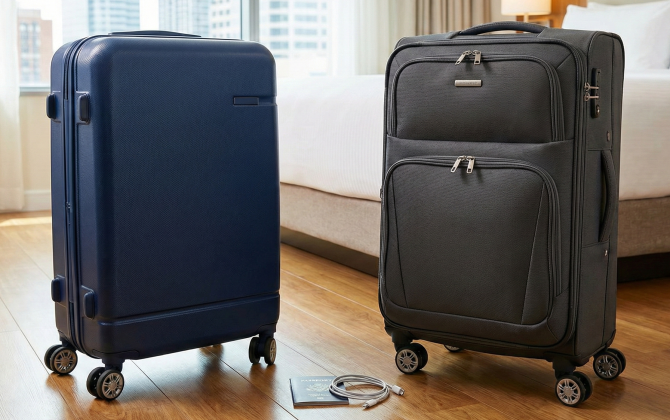
The highest stress usually comes from packed-to-capacity cases, especially when contents are unevenly distributed. Soft shell designs can absorb some shape changes, while hard shell cases keep a fixed outline that can spotlight pressure at one edge.
That does not make one type universally better. It means you should pack each style differently.
With hard shell luggage, the frame shape stays consistent, so pressure tends to build at the closure line if a toiletry case or shoes sit too high. With soft shell luggage, the body flexes more, which can hide overpacking until the pull tab reaches a bulging corner.
For example, a traveler using a cabin-size hard shell case for a short work trip may jam the closure by placing a rigid toiletry pouch at the edge. Repositioning that item and moving documents into hand-luggage organizers usually restores smooth closure in seconds.
Another common case is a family trip with a soft shell medium bag packed with mixed clothing and loose accessories. Once clothes are sorted into packing organizers and the heaviest items sit lower, the track typically closes without that stop-start drag.
✅ What should you remember before your next trip?
Most stuck suitcase closures come from friction, trapped fabric, or packing pressure, and the right fix depends on which one you are dealing with. The fastest safe response is to stop pulling, reduce the load, inspect the track, and use graphite or another light lubricant only when friction is the real issue.
When the mechanism separates, misaligns, or shows visible damage, treat that as a repair boundary rather than a challenge to overcome with force. Good packing habits, organizers, and protective luggage accessories lower the odds of the problem returning. If you need a better-packed travel setup, threebirds offers practical suitcase accessories and travel bags and accessories that help reduce closure strain.
Can a pencil really help a stuck suitcase zipper?
Yes. Rubbing graphite along the teeth can reduce friction and often frees a mildly stuck track within a few short passes.
Should I use soap or clear lip balm if I do not have a pencil?
You can use a small amount of either one. Apply it lightly so the closure glides without leaving heavy residue on the surrounding material.
What is the first sign that overpacking is the real problem?
If the pull tab moves more easily after you remove a few bulky items, the case was under too much pressure. That is a packing issue, not a lubrication issue.
Why does fabric keep getting caught near the slider?
Lining, loose threads, or clothing edges can bunch into the track when the case is closed too quickly. Flattening the area and checking both sides before pulling again usually prevents a repeat snag.
Do organizers actually help prevent zipper jams?
Yes. Organizers keep items grouped and flatter, which reduces random pressure points pressing into the closure path.
When is a stuck zipper no longer a DIY fix?
If the teeth separate behind the slider, look bent, or refuse to align after one careful attempt, stop forcing it. That is the point where repair or replacement becomes the safer choice.
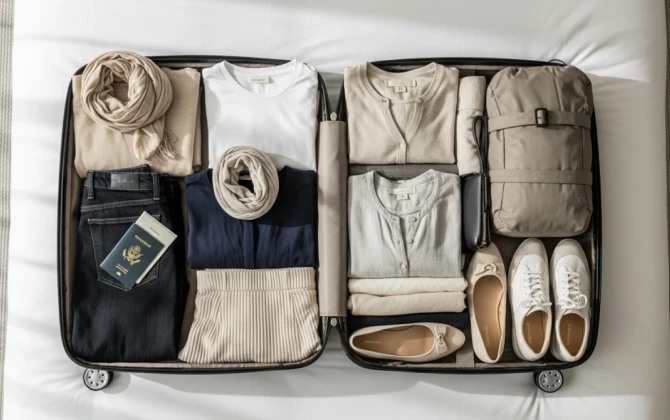 How to Build a Capsule Wardrobe for Travel That Works Anywhere in the World
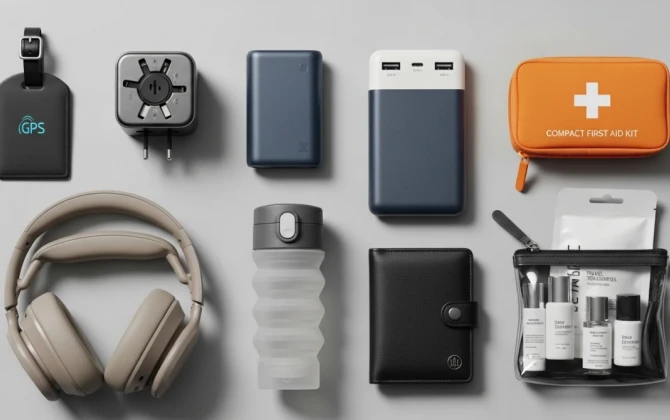 Travel Accessories Worth Packing in 2025: Essentials That Truly Upgrade Every Trip